




The Evolution of Volkswagen’s Electric Crossover: Meet the ID.Tiguan
Since its debut in 2020, the ID.4 carved out a significant niche in the automotive market, particularly among American drivers who favor the versatility of crossovers. However, the vehicle’s journey was not without friction; early adopters frequently cited software glitches and ergonomic frustrations that hindered the overall ownership experience. Recognizing these pain points, Volkswagen has pivoted toward a more polished solution: the upcoming ID.Tiguan. This model is designed not merely as a successor, but as a comprehensive refinement that addresses the shortcomings of its predecessor.
A Return to Familiar Design Language
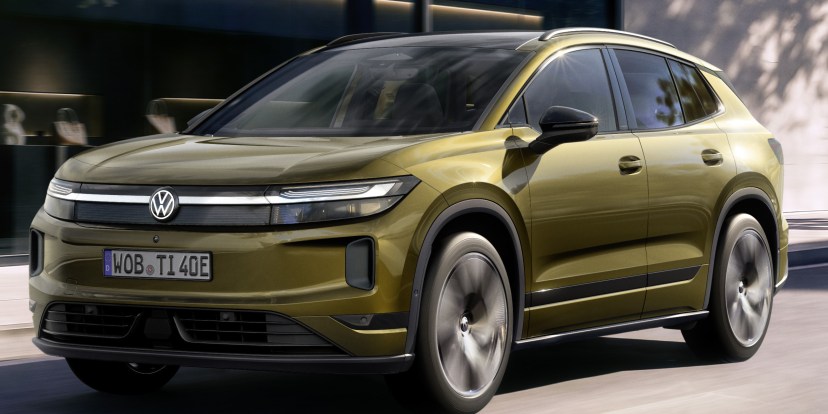
The transition to an all-electric Tiguan marks a strategic shift in aesthetics. While the ID.4 experimented with futuristic, rounded contours, the ID.Tiguan embraces a more traditional, robust silhouette that aligns with the brand’s long-standing design heritage. This “mature” look is intended to resonate with loyal Volkswagen customers who prefer a vehicle that feels grounded and substantial rather than experimental.
Performance and Battery Versatility
Under the hood-or rather, within the chassis-the ID.Tiguan maintains the flexible architecture that made the ID.4 a practical choice for many. Buyers can expect a diverse lineup, including both rear-wheel-drive (RWD) and all-wheel-drive (AWD) options to suit varying climates and driving preferences.
Efficiency remains a core pillar of the new lineup. The entry-level configuration is anchored by a 58 kWh battery pack, providing a balanced range for urban commuters. By leveraging advancements in battery chemistry and thermal management, Volkswagen aims to improve real-world range efficiency by approximately 10-15% compared to the original 2020 ID.4 specifications. This focus on optimization ensures that the ID.Tiguan remains competitive in an increasingly crowded EV segment where range anxiety remains a primary consumer concern.