





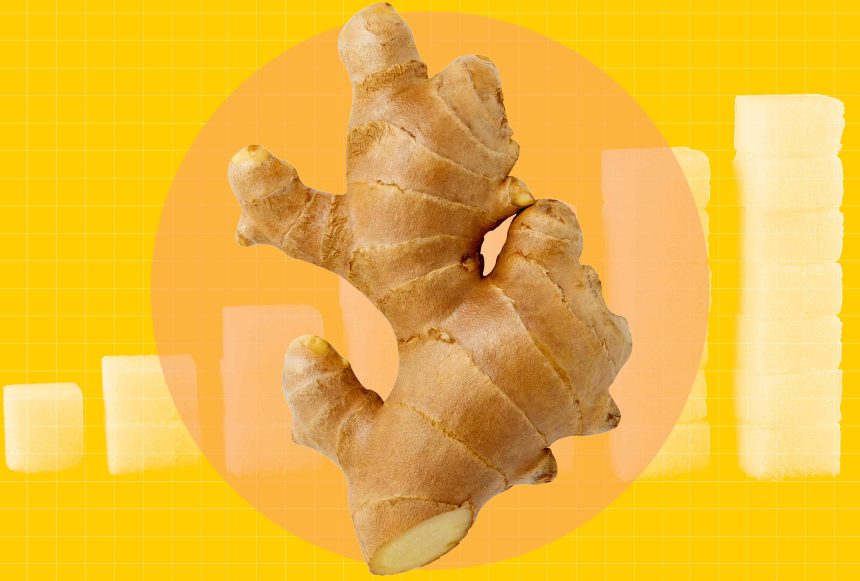
Can Ginger Help Manage Hypertension? What Science Says
For centuries, ginger has been a staple in traditional medicine cabinets, prized for its ability to soothe digestive upset and combat nausea. However, recent interest has shifted toward its potential role in cardiovascular health. If you are looking for natural ways to support your heart, you might be wondering: can this spicy root actually help lower blood pressure?
The Science Behind Ginger and Blood Pressure
Research suggests that ginger acts as a natural calcium channel blocker. By inhibiting the movement of calcium into the heart and blood vessel cells, ginger may help blood vessels relax and widen. This process, known as vasodilation, can lead to a reduction in overall blood pressure levels.
A meta-analysis published in Phytotherapy Research reviewed several clinical trials and found that ginger supplementation was associated with a modest but statistically significant reduction in both systolic and diastolic blood pressure. While these results are promising, it is important to view ginger as a complementary tool rather than a replacement for prescribed antihypertensive medication.
Integrating Ginger Into Your Daily Routine
Rather than relying on concentrated supplements, which can sometimes interact with blood-thinning medications, many experts suggest incorporating fresh ginger into your culinary habits. Here are a few effective ways to add it to your diet:
* Infused Hydration: Steep thin slices of fresh ginger in hot water for a caffeine-free tea that provides a gentle, warming effect.
* Flavorful Stir-Fries: Grate fresh ginger into vegetable-heavy dishes to add depth without the need for excess salt, which is a major contributor to high blood pressure.
* Morning Smoothies: Blend a small knob of peeled ginger into your fruit or green smoothies for a zesty kick that aids digestion and heart health.
Important Considerations Before You Start
While ginger is generally recognized as safe, it is not a “magic bullet.” If you are currently managing hypertension, keep these three factors in mind:
- Medication Interactions: Ginger can have a mild anticoagulant effect. If you are taking blood thinners like warfarin or aspirin, consult your physician before increasing your ginger intake significantly.
- Dosage Matters: Most studies showing positive cardiovascular outcomes used standardized extracts. Simply adding a pinch of ginger to your tea may not yield the same clinical results as a concentrated dose.
- The Holistic Approach: Blood pressure management is best achieved through a combination of regular physical activity, stress reduction, and a heart-healthy diet rich in potassium and fiber.
Ultimately, while ginger is a healthy addition to a balanced diet, it should be viewed as one piece of a much larger puzzle in maintaining optimal cardiovascular function. Always prioritize your doctor’s guidance when making changes to your health regimen.
Ginger may slightly lower blood pressure. Here’s what to know before adding it to your diet. » More Info >>>