




Digital Trends may earn a commission when you buy through links on our site. Why trust us?
Strategic Pivot: Horizon Hunters Gathering Moves Away from Live-Service Model
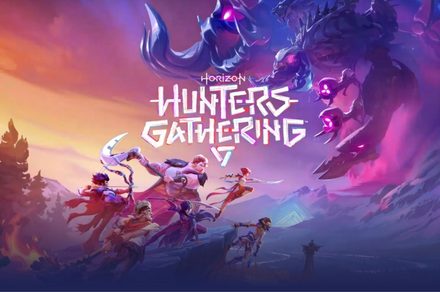
The landscape for PlayStation’s upcoming multiplayer expansion into the Horizon universe is undergoing a radical transformation. Recent reports indicate that Guerrilla Games is significantly altering the development trajectory of Horizon Hunters Gathering, moving away from the persistent, live-service framework that has defined much of the industry’s recent output.
A Shift in Development Direction
According to insights shared by Bloomberg, the decision to reboot the project follows internal feedback from closed playtesting sessions. It appears that the initial multiplayer concept failed to resonate with testers, prompting Sony executives to demand a fundamental change in scope. This pivot reflects a broader industry trend where developers are increasingly wary of the “games-as-a-service” (GaaS) model, which has seen high-profile failures like Concord and Suicide Squad: Kill the Justice League, the latter of which struggled to maintain a consistent player base despite significant post-launch support.
From Ongoing Service to Narrative-Driven Co-op
Since June, the development team at Guerrilla has been actively dismantling the live-service infrastructure that was intended to keep players engaged through constant updates and seasonal content. Instead, the studio is pivoting toward a more contained, traditional cooperative experience. Rather than a sprawling, ever-evolving social ecosystem, the title is being reshaped into a focused game centered on a cohesive narrative campaign.
What Happens to the Original Vision?
When the project was first teased in February, director Arjan Bak outlined an ambitious Horizon Hunters Gathering, the multiplayer spinoff Guerrilla Games unveiled, which featured three-player tactical combat against iconic machines, a roguelite-inspired perk system, and a persistent social hub for player interaction.
With this major overhaul, the future of these specific mechanics remains uncertain. By moving toward a more linear, story-based structure, the developers are likely prioritizing a polished, “one-and-done” experience over the grind-heavy loops typical of live-service titles. While this may disappoint fans looking for a long-term multiplayer hobby, it aligns with Sony’s recent efforts to ensure their first-party titles meet a high bar for quality and player reception before reaching the market.