





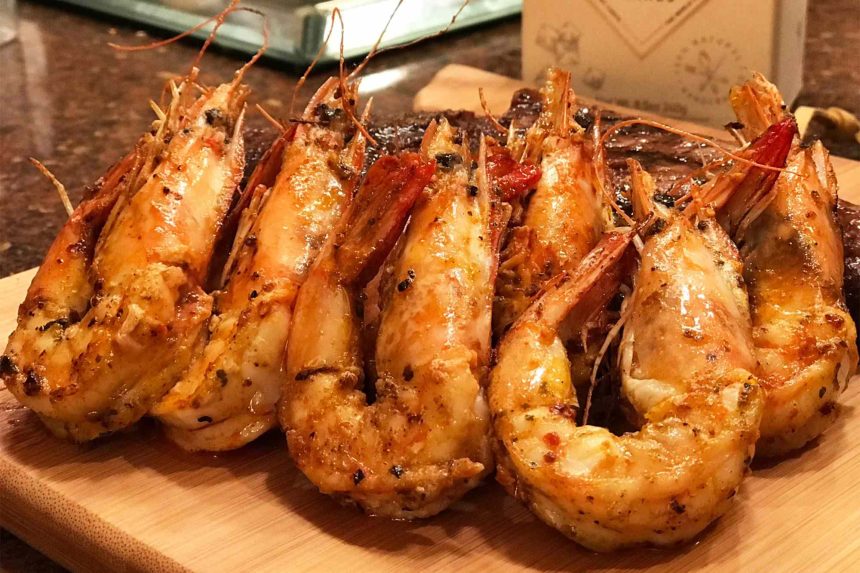
Revolutionizing Aquaculture: How Domestic Indoor Shrimp Farming is Changing the Game
For decades, the global shrimp industry has been plagued by a dual crisis: severe environmental degradation and persistent reports of human rights abuses within international supply chains. As consumer demand for this popular crustacean continues to climb, the traditional model-often reliant on clearing vital mangrove forests and utilizing questionable labor practices-has become increasingly untenable. However, a new wave of American aquaculture entrepreneurs is proving that high-quality shrimp can be produced sustainably, ethically, and right in our own backyard.
The Environmental Cost of Traditional Shrimp Imports
Historically, the vast majority of shrimp consumed in the United States is imported from Southeast Asia and Latin America. This reliance on large-scale, open-pond farming has led to significant ecological fallout. Mangrove forests, which act as essential carbon sinks and natural storm barriers, are frequently razed to make room for industrial ponds. Furthermore, the intensive use of antibiotics and the discharge of nutrient-rich wastewater into local ecosystems have caused widespread water pollution.
A Paradigm Shift: The Rise of Indoor Recirculating Systems
In response to these systemic issues, domestic farmers are pioneering indoor Recirculating Aquaculture Systems (RAS). By moving production into climate-controlled, land-based facilities, these innovators have effectively decoupled shrimp farming from the ocean.
This shift offers several transformative benefits:
* Zero-Discharge Environments: Advanced filtration technology allows farmers to recycle water continuously, preventing the release of pollutants into the surrounding environment.
* Elimination of Antibiotics: Because these indoor environments are highly controlled and biosecure, the risk of disease is drastically reduced, removing the need for the chemical interventions common in traditional ponds.
* Reduced Carbon Footprint: By producing shrimp closer to the point of consumption, these facilities significantly cut down on the “food miles” associated with international air and sea freight.
Ethical Production and Supply Chain Transparency
Beyond environmental stewardship, domestic indoor farming addresses the human rights concerns that have long shadowed the industry. By operating within the United States, these farms are subject to rigorous labor laws and workplace safety regulations. This provides consumers with a level of transparency that is nearly impossible to achieve with complex, opaque global supply chains. When you purchase shrimp from a local indoor facility, you are supporting a system that prioritizes fair wages and safe working conditions.
The Future of Sustainable Seafood
The transition toward indoor aquaculture is not just a niche trend; it is a necessary evolution for the seafood industry. According to recent data from the Food and Agriculture Organization (FAO), aquaculture is expected to provide nearly two-thirds of the world’s seafood by 2030. As technology continues to lower the energy costs associated with indoor farming, these domestic operations are becoming increasingly competitive with traditional imports.
By choosing to support local, land-based shrimp producers, consumers are casting a vote for a more resilient and ethical food system. This shift represents a significant victory for both the planet and the people involved in the production process.