



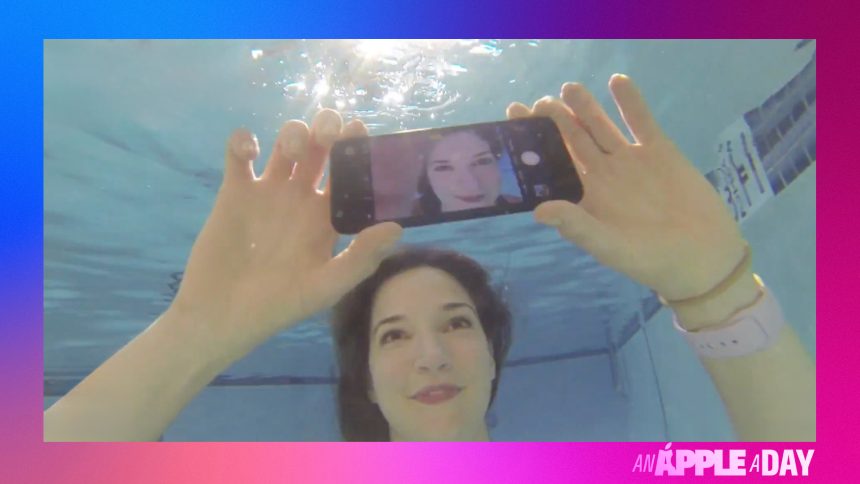
Putting Smartphone Durability to the Ultimate Test
My professional background is rooted in the rigorous evaluation of manufacturer promises. During my tenure hosting the CNET YouTube series “Breaking Point,” I specialized in the kind of destructive testing most consumers dread. My daily routine involved subjecting premium phones to extreme conditions-ranging from high-impact drops on concrete to full-submersion stress tests-to see if the hardware could actually survive the chaos of real-world accidents.
The Evolution of Liquid Resistance
When Apple finally unveiled its first water-resistant iPhone in 2016, it felt like a direct challenge to my testing methodology. It was a pivotal moment for the industry, shifting the narrative from “keep your device dry at all costs” to “engineered for resilience.”
To put this into perspective, modern smartphone durability has come a long way. According to recent industry data, liquid damage remains one of the top three reasons for device failure, yet the introduction of the iPhone 7 fundamentally changed consumer expectations. Before this model, even a minor spill or a brief encounter with a puddle could result in a total system failure. The device’s IP67 certification was a game-changer, guaranteeing that the hardware could endure being submerged in up to one meter of water for a duration of 30 minutes.
Why IP Ratings Matter
Think of an IP rating as a “survival score” for your electronics. While the iPhone 7 set the standard for Apple, today’s flagship devices have pushed these boundaries even further, often reaching IP68 ratings. This means that while the original water-resistant models were designed to survive an accidental drop in the sink, modern devices are built with tighter seals and more robust adhesives to handle deeper, longer exposures. It is a testament to how far mobile engineering has progressed since the days when a humid bathroom could potentially brick your expensive handset.