




The Evolution of Geely’s Compact EV Strategy
The landscape of China’s electric vehicle sector is notoriously volatile and fast-paced. It is common for startups to emerge at the start of the week with bold, industry-disrupting claims, launch multiple crossover models by midweek, and unveil entirely new sub-brands before the weekend arrives. However, this “quantity over quality” strategy often leads to market fatigue. Occasionally, a manufacturer pivots, recognizing that rapid-fire releases are less effective than refining a standard vehicle into a truly high-performance machine.
Refining the Platform: From Modest to Masterful
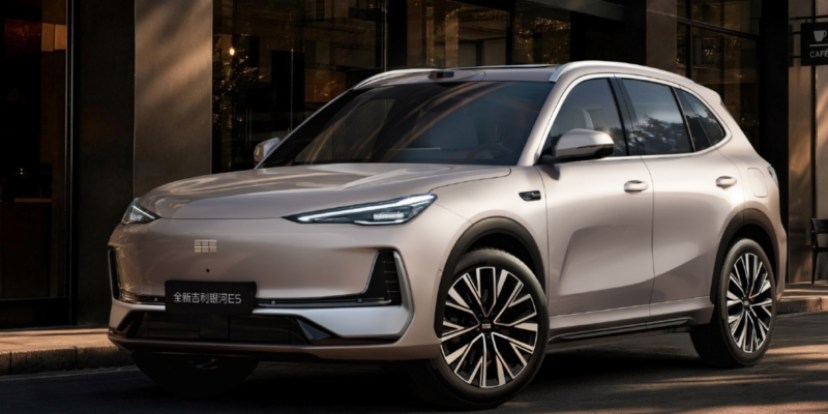
Geely, the automotive powerhouse that oversees premium marques like Volvo, Polestar, Lotus, and Zeekr, has long demonstrated an engineering prowess capable of producing world-class chassis dynamics. Despite this pedigree, their initial approach to the compact segment-specifically the front-wheel-drive EX5, marketed domestically as the Galaxy E5-left enthusiasts wanting more. While functional, the vehicle felt somewhat uninspired compared to the brand’s more aggressive offerings.
Shifting Gears: The Move to Rear-Wheel Drive
Recent industry data suggests that consumer demand in the compact EV segment is shifting toward more engaging driving dynamics. As of 2024, market analysis indicates that buyers are increasingly prioritizing handling and power delivery over simple utility. By transitioning the EX5 platform to a rear-wheel-drive configuration, Geely is signaling a departure from the “runabout” mentality. Much like how a sports sedan gains character when power is sent to the rear wheels, this architectural shift transforms the EX5 from a basic commuter into a vehicle that finally aligns with the sophisticated engineering standards associated with the Geely family.