




Unlocking Meta Quest Exclusives on PC: The Rise of Android XR Bridge
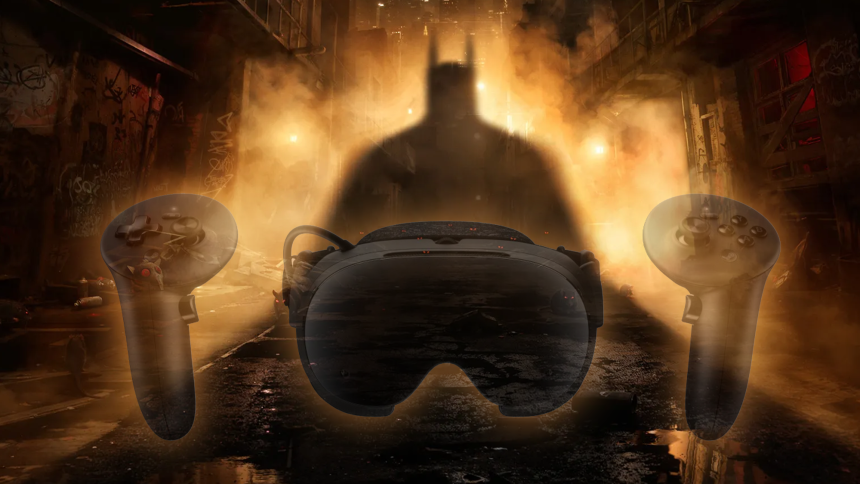
For years, the Meta Quest ecosystem has maintained a walled garden, keeping high-profile titles like Batman: Arkham Shadow, Asgard’s Wrath 2, and various VR-native experiences locked to standalone hardware. However, a groundbreaking experimental project known as Android XR Bridge (AXRB) is effectively dismantling these barriers, granting PC VR enthusiasts the ability to run these Android-based titles directly on their desktop rigs.
Bridging the Gap Between Standalone and PC VR
Developed by Feli Reintgen, Android XR Bridge functions as a specialized software runtime for Windows. By translating the environment required for Meta Quest applications, it allows users to bypass the limitations of mobile chipsets. Instead of relying on the onboard processing power of a headset, AXRB leverages the raw computational muscle of a dedicated gaming PC.
This shift is significant for enthusiasts who prioritize visual fidelity. While standalone headsets are marvels of engineering, they are constrained by thermal and battery limitations. By offloading the workload to a PC, users can theoretically push these titles to 4K resolution per eye, far exceeding the native rendering capabilities of the Quest hardware.
Performance Milestones and Visual Fidelity
The journey of AXRB has been one of rapid iteration. Early builds of the software were plagued by latency issues and graphical artifacts, rendering most titles nearly unplayable. However, recent development cycles have seen a dramatic turnaround.
The project has reached a point where high-performance gaming is becoming a reality. Recent demonstrations from the developer have showcased titles like Pinball FX VR running at a crisp 4K resolution per eye while maintaining a fluid 120 FPS. This level of performance is a massive leap forward, suggesting that the gap between mobile-optimized VR and high-end PC VR is narrowing significantly.
Why This Matters for the VR Community
The implications of this technology extend beyond just playing games; it represents a shift toward platform agnosticism. As VR hardware continues to evolve, the ability to decouple software from specific hardware ecosystems is vital for the longevity of digital libraries.
While the project remains in an experimental phase, it serves as a proof-of-concept for what is possible when community-driven software bridges the gap between mobile VR and desktop power. As the software matures, it could redefine how we interact with the Meta Quest library, allowing users to experience their favorite titles with the graphical overhead typically reserved for high-end PC VR simulations.