





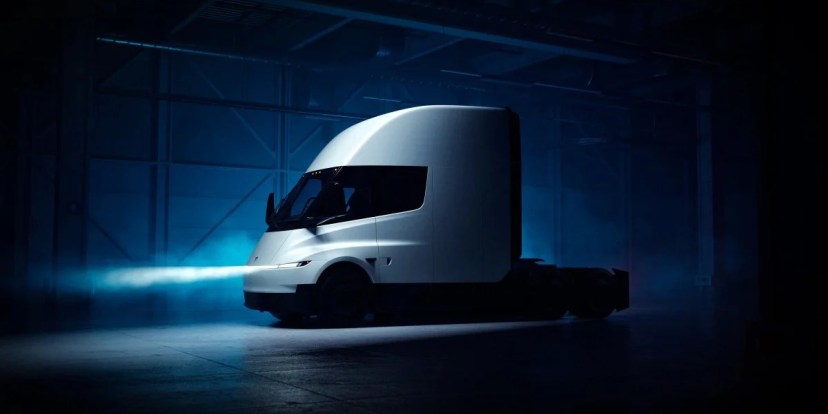
The Tesla Semi: From Vaporware to High-Volume Reality
Witnessing an eight-ton Class 8 commercial vehicle accelerate with the ferocity of a performance sports car is a spectacle that defies conventional logic. For the better part of a decade, the Tesla Semi existed primarily as a phantom of the automotive industry-a futuristic shape occasionally spotted delivering snacks or serving as a backdrop during investor presentations. It felt like a perpetual “coming soon” project, forever trapped in the purgatory of prototype testing.
Scaling Up: The Nevada Gigafactory Expansion
That era of speculation has officially concluded. Tesla has inaugurated its massive, 1.8 million-square-foot facility in Sparks, Nevada, specifically engineered to bring the Semi into the mainstream. The company has set a bold production benchmark, aiming to roll 50,000 electric haulers off the assembly line annually. To put that figure into perspective, the total annual production of Class 8 trucks in North America typically hovers around 250,000 to 300,000 units; Tesla is effectively aiming to capture a significant double-digit slice of the heavy-duty market almost immediately.
The Ambition vs. Execution Debate
While the scale of this operation is undeniably impressive, it invites a familiar skepticism. Tesla’s penchant for setting aggressive, headline-grabbing production targets often draws mixed reactions. Critics argue that the company’s tendency to over-promise on volume can overshadow the genuine engineering triumph of the vehicle itself. Rather than focusing on the sheer quantity of units, many industry analysts suggest that the true victory lies in the successful transition of heavy freight from diesel to battery-electric power-a feat that, until now, was largely considered impractical for long-haul logistics.
As the first production-spec units begin to integrate into commercial fleets, the focus will shift from “if” the truck can perform to “how” it changes the economics of shipping. With rising fuel costs and tightening emissions regulations, the Semi’s ability to maintain high torque and rapid acceleration while hauling a full load could prove to be the ultimate disruptor in the logistics sector.