




A Gritty Masterpiece: Why “Blue Ruin” Deserves Your Attention
If you recently found yourself captivated by the tension and precision of the hit Netflix thriller “Rebel Ridge,” you are likely craving more from the mind of its creator, Jeremy Saulnier. Fortunately, his breakout 2013 film, “Blue Ruin,” is currently available to stream on Prime Video. While “Rebel Ridge” showcases Saulnier’s refined mastery of the genre, “Blue Ruin” serves as the raw, visceral foundation of his directorial style.
Deconstructing the Revenge Trope
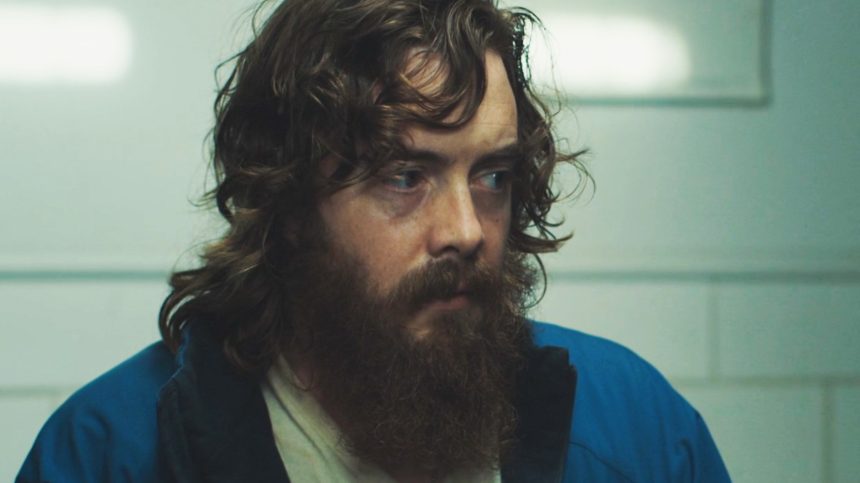
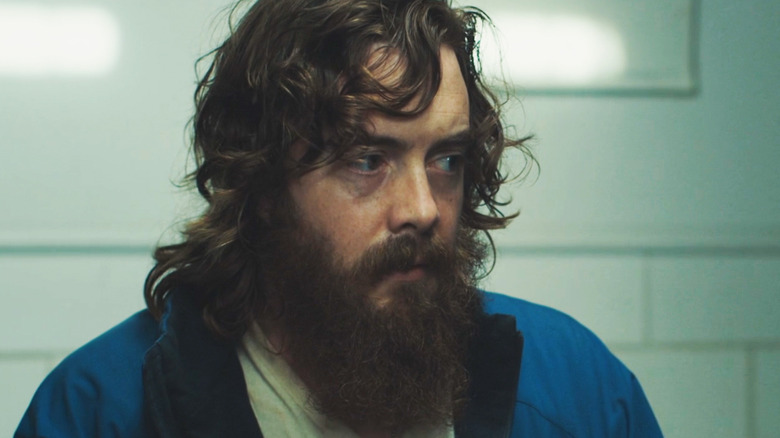
Most revenge films rely on the “one-man army” archetype-think of the unstoppable precision found in the John Wick franchise. “Blue Ruin” takes the opposite approach. It strips away the glamour of cinematic vengeance, presenting a protagonist, Dwight Evans (played by Macon Blair), who is profoundly ill-equipped for the violence he seeks to inflict. The film functions as a masterclass in suspense, trading high-octane choreography for the agonizing, realistic consequences of amateur retribution.
Critics have long lauded this shift in perspective. The film currently holds a staggering 96% approval rating on Rotten Tomatoes, a testament to its ability to balance arthouse sensibilities with the pacing of a pulpy exploitation flick. It is a rare example of a film that respects the audience’s intelligence while maintaining a relentless grip on their nerves.
From Humble Beginnings to Indie Stardom
Saulnier’s path to this critical acclaim was anything but conventional. His directorial debut, the 2007 horror-comedy “Murder Party,” established his long-standing creative partnership with Macon Blair. While that project garnered a cult following, it lacked the widespread recognition that would eventually define his career.
The production of “Blue Ruin” is a legendary tale of independent filmmaking grit. Facing a shoestring budget, Saulnier turned to crowdfunding, raising $35,000 through Kickstarter. To bridge the remaining financial gap, he famously maxed out his personal credit cards, betting his own financial stability on the strength of his vision. This “all-in” mentality is palpable in every frame of the movie, contributing to the desperate, authentic atmosphere that defines the viewing experience.