




Paramount
The High Cost of Conflict: Why Yellowstone’s Departures Still Sting
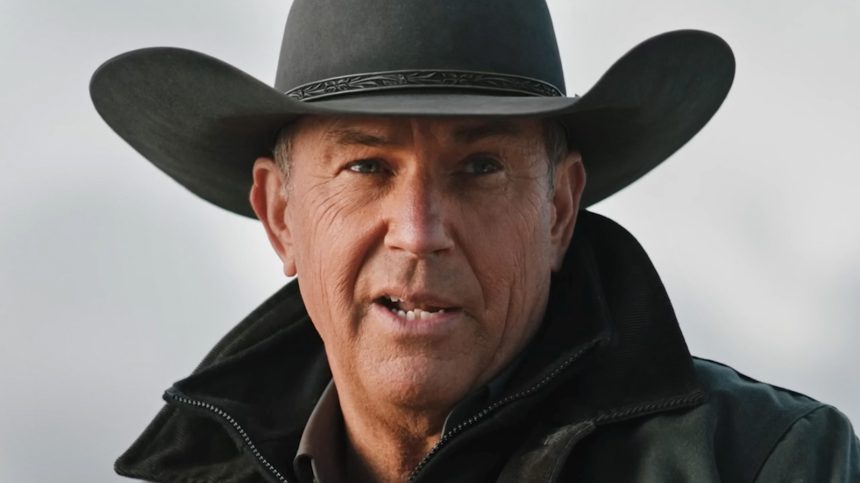
Taylor Sheridan’s neo-Western juggernaut, “Yellowstone,” was never a stranger to polarization. While the series achieved massive viewership numbers, it frequently found itself at the center of heated debates among its dedicated fanbase. Viewers often took to social media to dissect the precise moment Yellowstone lost its narrative momentum, while others remained deeply divided over the polarizing conclusion to John Dutton’s (Kevin Costner) arc in Season 5. These exits were emblematic of a show that treated mortality as a frequent, often abrupt, plot device.
The Moral Ambiguity of the Train Station
The show’s penchant for sudden fatalities reflected the brutal ethos of the Dutton family. Their preferred method of disposal-the infamous “Train Station”-evolved from a plot point into a grim, unofficial mass grave for anyone who stood in the way of the ranch’s expansion. While the narrative often framed these victims as antagonists who had it coming, the reality was far more complex. In truth, the moral failings of the Duttons themselves were often just as egregious as those they sent to their deaths, raising the question of whether the family deserved their own reckoning.
Beyond the Narrative Necessity
In a landscape where character turnover is high, the impact of a death is often measured by the void it leaves behind. While some characters were clearly written to be disposable, others possessed a depth or potential that was cut short prematurely. By removing these figures, the show occasionally sacrificed long-term storytelling potential for the sake of immediate shock value. As the series progressed, the frequency of these exits began to feel less like a natural consequence of the harsh Montana lifestyle and more like a repetitive cycle of violence that ultimately diluted the stakes for the remaining cast.