





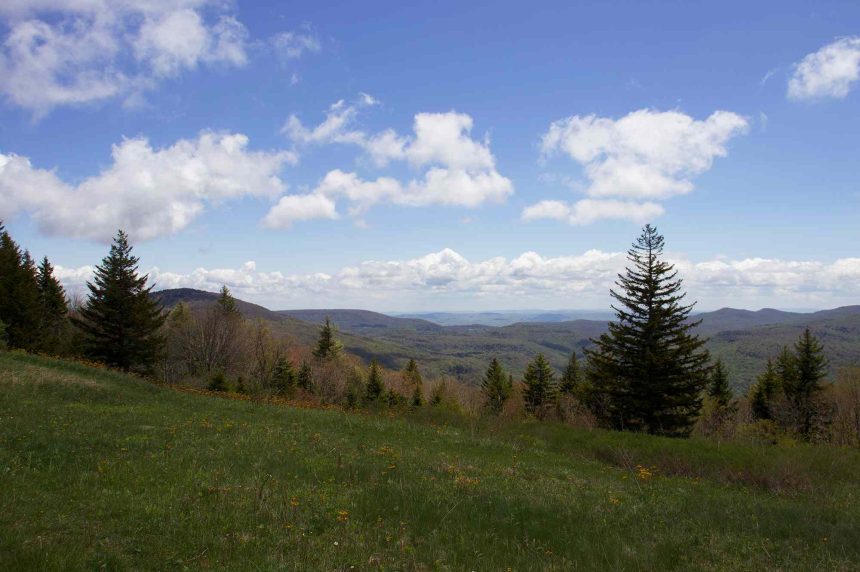
Discovering the Untamed Beauty of the Cranberry Wilderness
Spanning over 35,000 acres within the Monongahela National Forest, the Cranberry Wilderness stands as a premier destination for those seeking a genuine escape into the Appalachian backcountry. Whether you are navigating the vibrant, budding flora of spring or trekking through the fiery, rust-colored canopy of autumn, this protected landscape provides a sanctuary for outdoor enthusiasts year-round.
A Haven for Backcountry Exploration
Unlike manicured state parks, the Cranberry Wilderness is defined by its rugged, primitive character. It serves as a sprawling playground for hikers, offering an extensive network of trails that weave through dense spruce forests and open, high-elevation meadows.
For those who prefer a challenge, the terrain offers more than just a walk in the woods; it is an immersive experience in solitude. Recent data from the U.S. Forest Service highlights that wilderness areas like this are vital for biodiversity, acting as a carbon sink and a critical habitat for native species such as the black bear and the elusive northern flying squirrel.
Waterfalls and Natural Landmarks
The region is perhaps best known for its dramatic water features. As snowmelt feeds the headwaters of the Cranberry River, the landscape transforms into a series of cascading waterfalls and rushing streams. These natural landmarks serve as perfect waypoints for long-distance backpackers.
Think of the Cranberry Wilderness not as a typical tourist attraction, but as a living, breathing ecosystem. Much like a quiet library where the “books” are ancient hemlock trees and moss-covered boulders, the area demands a respectful, observant approach from every visitor.
Planning Your Wilderness Trek
Because this is a designated wilderness area, visitors should be prepared for self-reliance. There are no paved paths or modern amenities once you step past the trailhead.
* Navigation: Always carry a physical topographic map and a compass, as cell service is virtually non-existent.
* Leave No Trace: To preserve the pristine condition of the trails, ensure you pack out everything you pack in.
* Seasonal Timing: While summer offers lush greenery, late September through mid-October provides the most spectacular foliage displays in the Mid-Atlantic region.
For those looking to dive deeper into the history and specific trail maps of this West Virginia gem, you can find additional resources here: » More Info >>>