




The Strategic Pivot: How Lynk & Co is Fighting Back in China’s EV War
The Chinese electric vehicle (EV) landscape has evolved into a brutal, high-stakes arena where stagnation is synonymous with failure. In this hyper-competitive environment, there is no room for sentimentality; if a manufacturer falters, rivals are quick to capitalize on the opening. Lynk & Co experienced this harsh reality firsthand during the summer months, as the company faced a significant downturn in performance. Recent data revealed a stark 37.44% year-on-year decline in August deliveries, contributing to a 14.84% drop in total volume throughout the first eight months of the year. Faced with such aggressive market erosion, the brand realized that standard corporate messaging would no longer suffice. Instead, they needed a product capable of disrupting the status quo with immediate, forceful impact.
Reclaiming Momentum Through Aggressive Pricing
To reverse this downward trend, Lynk & Co has shifted its focus toward high-value, accessible mobility. The company’s response to its recent slump is a calculated move to capture the budget-conscious segment of the market, which has become the primary battleground for EV dominance. By prioritizing affordability without sacrificing the brand’s core identity, the manufacturer is attempting to regain the trust of consumers who are increasingly sensitive to price fluctuations.
The Lynk & Co 20: A Return to Form
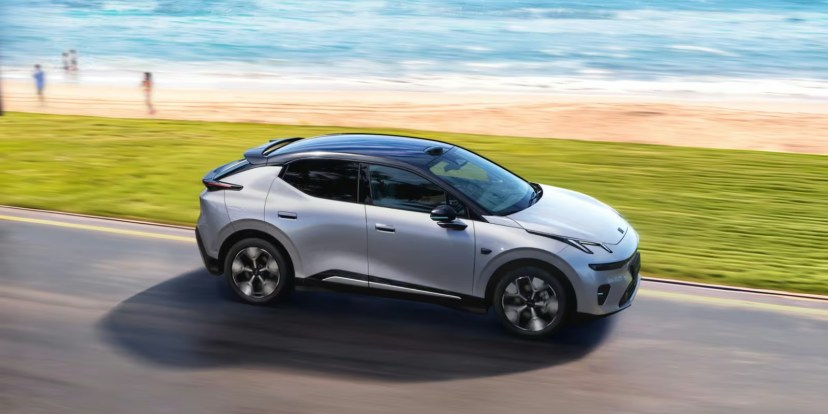
Central to this recovery strategy is the introduction of the newly minted Lynk & Co 20. In a move to streamline its portfolio and reinforce brand recognition, the company has dropped the “Z” suffix, realigning the model with its traditional numeric naming convention. This rebranding is more than just a cosmetic change; it signals a return to the foundational principles that initially established the brand’s reputation. Early indicators suggest this strategy is resonating with buyers, as the vehicle has already secured 15,000 orders, proving that a well-timed, competitively priced offering is exactly what the market demanded.