
by Alex Billington
September 30, 2026
Source: YouTube

A Fresh Lens on Steinbeck’s Legacy
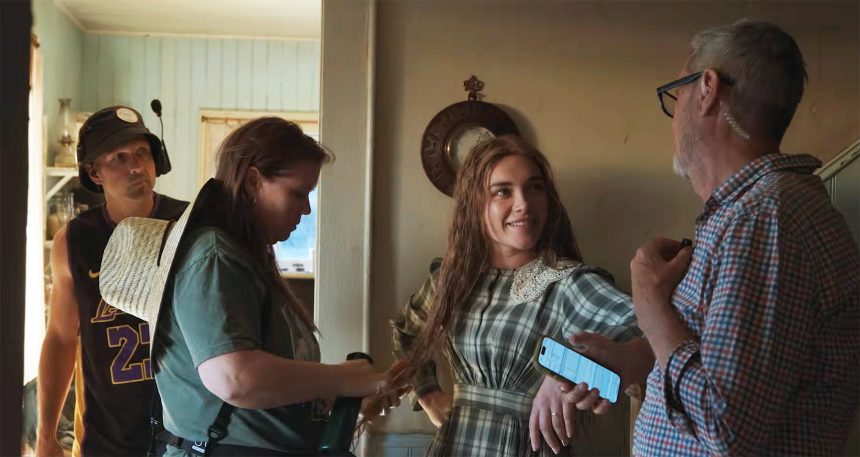
Netflix has officially pulled back the curtain on its highly anticipated adaptation of John Steinbeck’s literary titan, East of Eden. To celebrate the series’ arrival on the platform this week, the streamer released a featurette titled “How Zoe Kazan Reimagined a Steinbeck Classic.” In the clip, creator Zoe Kazan articulates her ambitious approach to translating the sprawling, multi-generational narrative for a contemporary audience. Describing the production as a massive undertaking, Kazan notes, “They are huge-we have landscape, they’re epic, the story is complex. You just get on the horse and you tackle it head-on; you just decide to dive in.”
Reframing the Trask Family Saga
While the 1955 film adaptation starring James Dean remains a cornerstone of American cinema, this new seven-part limited series seeks to carve out its own identity by digging deeper into the source material’s darker corners. The narrative structure of this adaptation places a renewed emphasis on the enigmatic and often misunderstood Cathy Ames. By centering the story around her perspective, the series aims to provide a more nuanced exploration of how ancestral trauma and historical family secrets dictate the trajectories of future generations.
The casting reflects the gravity of this reimagining. Florence Pugh steps into the pivotal role of Cathy Ames, bringing a modern intensity to the character. She is joined by Christopher Abbott and Mike Faist, who portray the central brothers, Adam and Charles Trask. As audiences increasingly turn toward prestige television for deep-dive character studies, this adaptation of the masterpiece arrives at a time when long-form storytelling is proving to be the most effective medium for capturing the intricate, slow-burn development found in classic books like Steinbeck’s. For those interested in the history of the property, the original East of Eden film serves as a fascinating point of comparison for how far the medium has evolved in its ability to handle complex literary themes.