





Build Your Own AI Hardware: Meta Releases Open-Source Muse SDK
Meta is officially inviting developers and hobbyists to push the boundaries of artificial intelligence by creating their own custom hardware. By open-sourcing the code for its Muse AI agent, the tech giant is empowering users to move beyond standard software interfaces and integrate intelligent, conversational AI directly into physical objects.
From Concept to Reality: The Muse SDK
The newly released Muse SDK provides the foundational architecture needed to bridge the gap between Meta’s AI agent and tangible hardware. Whether you are an experienced engineer or a weekend tinkerer, the platform is designed to be flexible. Meta suggests utilizing accessible hardware like the ESP32 microcontroller or a Raspberry Pi to serve as the “brain” of your project.
The creative possibilities are vast. You might consider:
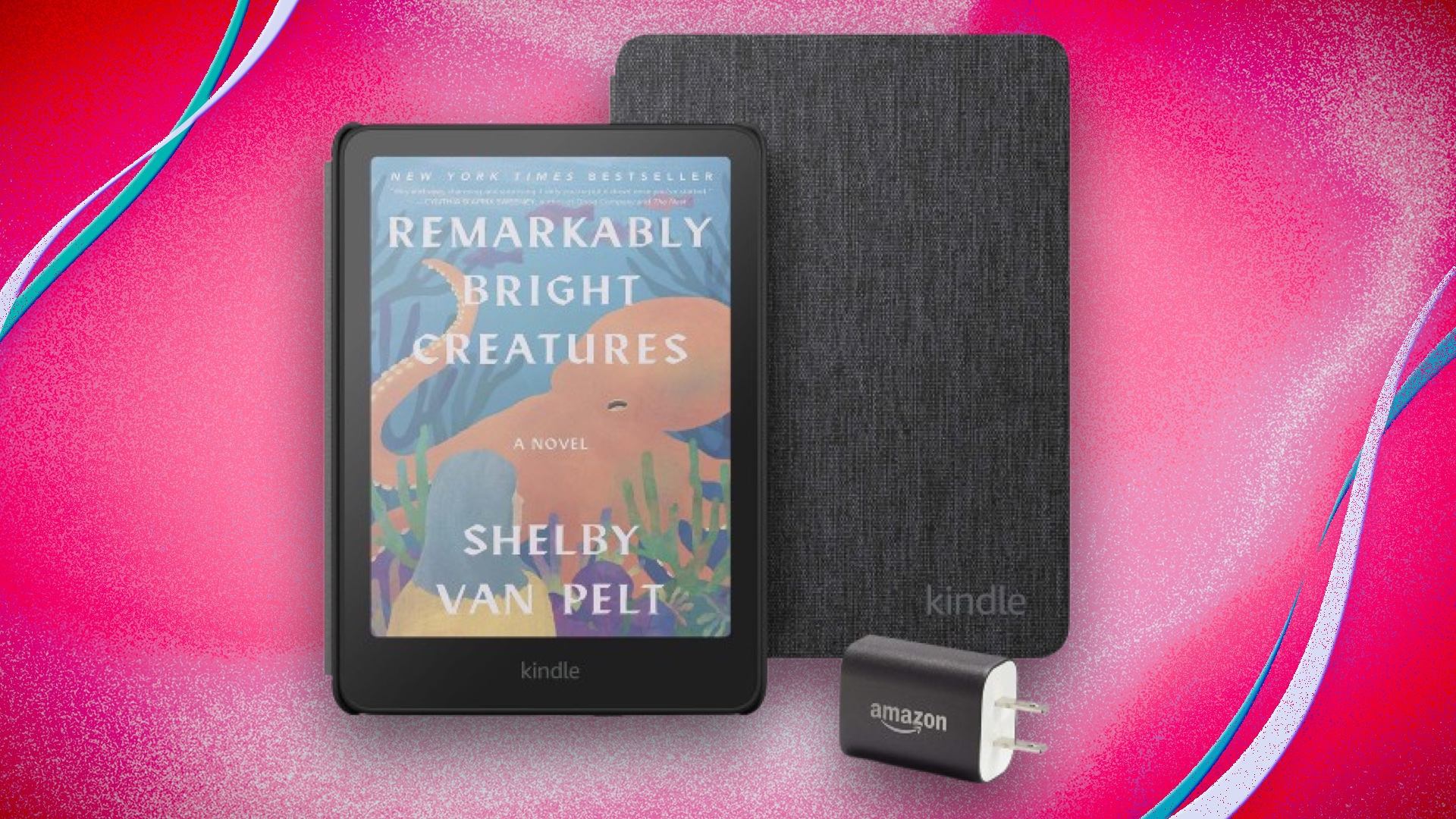
* Smart Visual Reminders: Integrating Muse with a low-power color E Ink display to create a persistent, glanceable dashboard for your daily tasks.
* Living Room AI: Connecting the agent to an HDMI stick to project a conversational interface onto your television.
* Custom Smart Charms: Building a compact, touchscreen-enabled device that mimics the functionality of a dedicated Muse Charm.
A Workbench for Innovation
Meta describes these creations as “open-source devices you build yourself.” The SDK is hardware-agnostic, meaning you can interface the AI with a wide array of components-from simple buttons and sensors to complex actuators-found in your personal workshop.
While the barrier to entry is low, Meta emphasizes a “proceed at your own risk” approach. Because these projects involve custom circuitry and DIY assembly, users are responsible for the safety and stability of their unique hardware configurations.
Expanding the Ecosystem: The Muse Home Link
To demonstrate the potential of this technology, Meta is also distributing a pre-built device known as the Muse Home Link. This gadget serves as a practical example of how the Muse agent can interact with your physical environment. By leveraging community-developed skills, the Home Link allows users to bridge the gap between digital intelligence and home automation, enabling tasks such as voice-controlled lighting or climate adjustments.
As the open-source community begins to experiment with these tools, we are likely to see a surge in creative, niche hardware that brings AI out of the cloud and into the physical world.