

by Alex Billington
October 2, 2026
Source: YouTube

Unmasking the Legend: A Fresh Look at the Patterson-Gimlin Footage
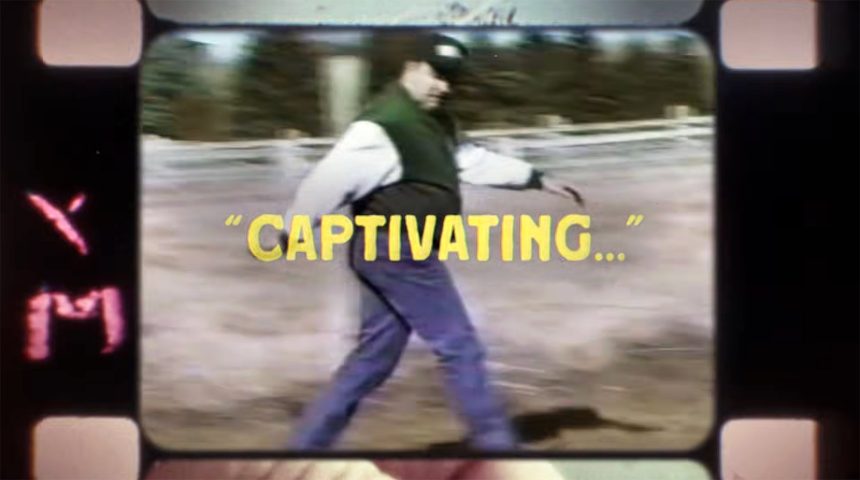
“This IS a story about money and greed!” It is a familiar refrain, yet in the context of the world’s most enduring cryptid, it carries newfound weight. XYZ Films has officially unveiled the trailer for Capturing Bigfoot, a documentary film that promises to strip away the layers of folklore surrounding the Sasquatch phenomenon. Rather than simply rehashing old sightings, this project dives deep into the mechanics of the hoax-versus-reality debate that has persisted for over half a century.
The 59 Seconds That Defined a Mystery
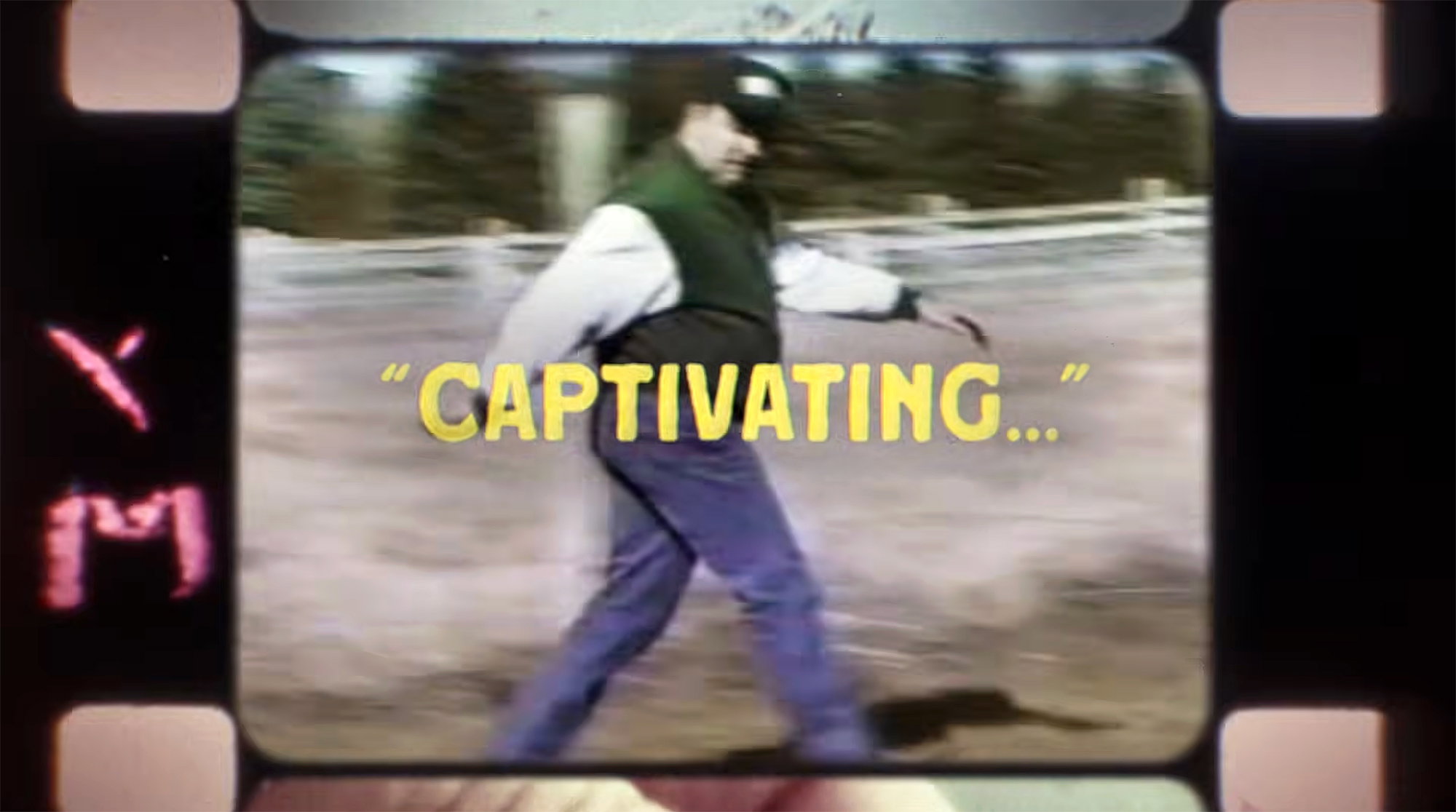
To understand the gravity of this documentary, one must look back to October 20, 1967. It was on that day in the dense forests of Northern California that Roger Patterson recorded 59 seconds of 16mm film. That brief, shaky sequence-viewable here-remains the gold standard for Bigfoot enthusiasts and skeptics alike. Despite decades of forensic analysis, digital enhancement, and intense scrutiny, the footage has never been definitively debunked nor proven authentic, cementing its status as the most debated piece of film in cryptozoology.
New Evidence from the Vault
The narrative shifts dramatically with the discovery of a long-lost 16mm reel, unearthed from a private safe. This archival find serves as the backbone of Capturing Bigfoot, providing a lens through which the original event is re-examined. By shifting the focus from the creature itself to the human elements of the story, the film explores the complex web of family legacies, fractured relationships, and the psychological drive to believe in the impossible.
The documentary, which garnered significant attention during its premiere at the 2026 SXSW Film Festival (read more), features firsthand accounts from those closest to the original production, including Patterson’s own son. It suggests that the “Bigfoot industry”-a market now worth millions in tourism, media, and merchandise-may have had its roots in a much more personal, and perhaps more cynical, origin than previously imagined.