




### Fostering Resilience: Building Community and Tailoring Communication for Children with Hypochondroplasia
Navigating life with hypochondroplasia is a journey that extends far beyond medical management; it is deeply rooted in social connection and emotional development. By fostering a sense of belonging and adapting how you communicate, you can provide your child with the tools they need to thrive.
#### The Power of Shared Experiences
Building a support network is one of the most effective ways to bolster your child’s self-esteem. When children interact with others who share similar physical traits, it normalizes their experience and provides a roadmap for their own future.
According to expert insights from Pekala, engaging with organizations like [Little People of America](https://www.lpaonline.org/) in the U.S. or the [Hypochondroplasia Foundation](https://www.hypochondroplasia.org/) on a global scale can be transformative. These communities offer a unique space where children can observe adults with short stature successfully navigating careers, building meaningful relationships, and contributing to society. Furthermore, the [Chandler Project](https://www.chandlerproject.org/) serves as a vital hub across North America, hosting annual summits that bridge the gap between medical professionals, researchers, and families. These gatherings are not just informative; they are essential for showing your child that they are part of a vibrant, capable community.
#### Evolving the Dialogue: Communication by Developmental Stage
As your child matures, their cognitive capacity to process their diagnosis will shift. It is crucial to move away from a “one-size-fits-all” explanation and instead tailor your language to their current developmental milestone.
Pekala emphasizes that the goal is to empower your child rather than overwhelm them. A toddler’s curiosity is often practical-such as wondering why they require a step stool to reach the sink-whereas a teenager’s concerns may shift toward social dynamics, long-term health autonomy, and navigating peer relationships. By meeting them exactly where they are, you create a safe environment for them to ask questions and express their feelings.
#### Early Foundations: Ages 2-5
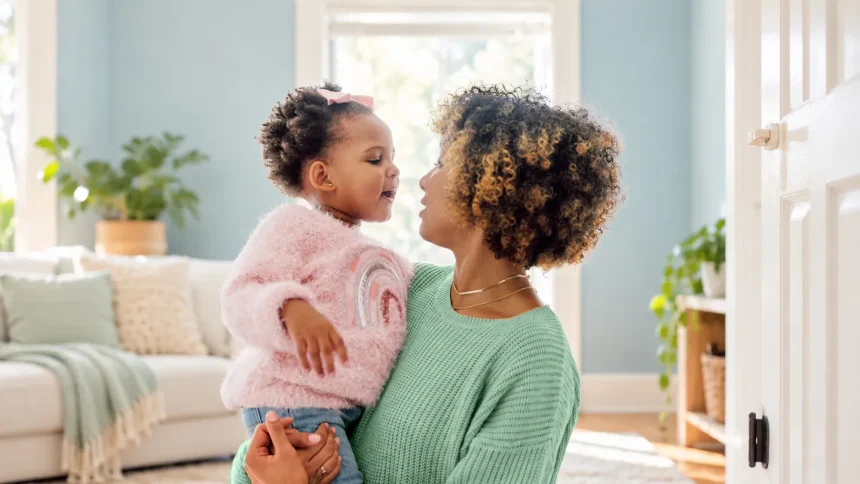
During the preschool years, the focus should be on gentle body awareness. At this stage, children are just beginning to notice differences in their environment. Keeping explanations simple and positive helps them develop a healthy relationship with their own body before they encounter external social pressures.
For more guidance on navigating these early conversations, you can find additional resources here: » More Info >>>