




Lucid Motors Q3 Performance: Strategic Inventory Shifts and Production Adjustments
Lucid Motors has officially disclosed its operational figures for the third quarter, spanning July through September. During this period, the luxury electric vehicle manufacturer produced 2,954 units while successfully delivering 3,806 vehicles to customers. The fact that deliveries outpaced production highlights the company’s ongoing commitment to its inventory optimization strategy, which focuses on clearing existing stock to bolster liquidity.
Financial Strategy and Market Positioning
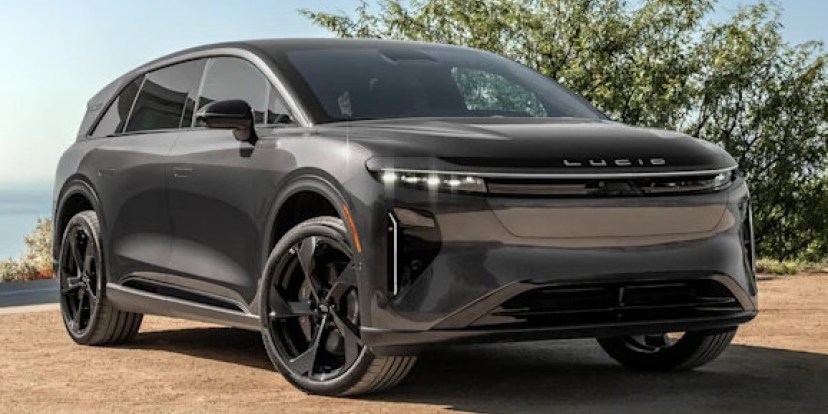
This inventory drawdown is a core component of Lucid’s broader financial roadmap, which aims for a $1.4 billion improvement in cash flow throughout the current fiscal year. While the company has remained tight-lipped regarding specific production and sales breakdowns for individual models, it did note that interest in the upcoming Gravity SUV is gaining significant traction. This mirrors the broader industry trend where manufacturers are increasingly prioritizing high-margin, premium utility vehicles to capture market share in a competitive EV landscape.
Operational Realignment at the Manufacturing Level
To maintain efficiency and better synchronize its output with current market appetite, Lucid implemented a major structural change at its manufacturing facility this past June. By transitioning from a two-shift operation to a single-shift model, the company is effectively “right-sizing” its production capacity. This move is designed to prevent oversupply and ensure that manufacturing volume remains closely tethered to actual consumer demand, a prudent step as the automotive sector navigates fluctuating EV adoption rates.
Contextualizing the Growth Trajectory
When evaluating these figures against the same timeframe in the previous year, it becomes clear that Lucid is prioritizing operational discipline over raw volume. By focusing on clearing out older inventory, the company is positioning itself to streamline its balance sheet as it prepares for the next phase of its product rollout. This shift in strategy is essential for emerging EV players who must balance the high capital intensity of vehicle manufacturing with the need for sustainable, long-term cash flow management.