




by Alex Billington
October 7, 2026
Source: YouTube

Unearthing a Hidden Legacy: The Soul Patrol Documentary
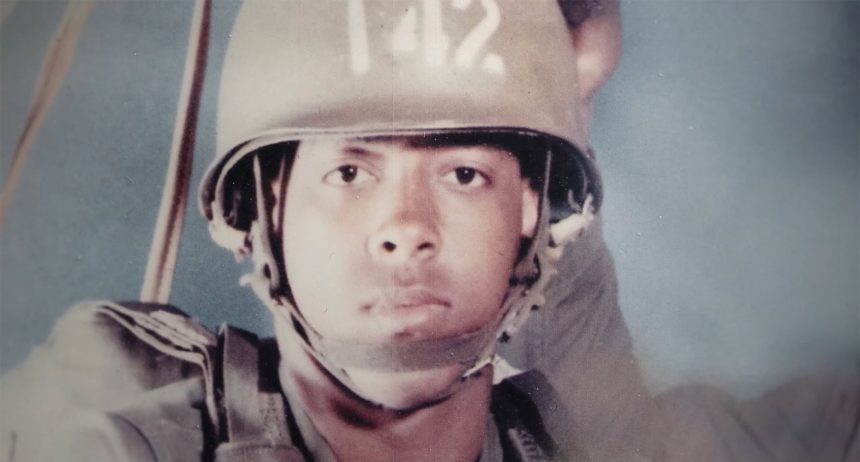
“This life, as you live it at present and have lived it, you must live it once more.” These haunting words set the stage for Soul Patrol, a compelling new documentary that sheds light on the experiences of the first African-American special operations unit to serve in the Vietnam War. Directed by J.M. Harper, the film serves as both a historical excavation and a deeply personal exploration of the psychological toll of combat.
A Decorated Journey from Sundance to the Screen
Since its debut at the 2026 Sundance Film Festival, where it earned the prestigious Best Director prize, the film has garnered significant acclaim across the 2026 festival circuit. While historical documentaries often focus on broad strategic movements, Soul Patrol distinguishes itself by focusing on the human element-specifically, the intersection of racial identity and the harrowing realities of jungle warfare.
Memory, Trauma, and the Liminal Space
The narrative structure of the film is as unique as the history it covers. To mark the 50th anniversary of the conflict, the surviving veterans gather in a hotel setting that functions as a surreal, liminal space. This environment acts as a catalyst for the men to confront their shared past. By placing these soldiers in a setting that blurs the lines between the present day and their memories of the 1970s, Harper creates a visceral experience that goes beyond traditional archival storytelling.
Recent studies on veteran mental health suggest that communal storytelling-the act of sharing trauma within a trusted group-is a critical component in processing long-term PTSD. Soul Patrol exemplifies this, transforming the screen into a space for reconciliation. It is not merely a chronicle of military tactics; it is a profound study of brotherhood and the enduring quest for peace after the smoke has cleared.