



The Brazilian Betting Crackdown: How New Regulations Are Reshaping the CS2 Landscape
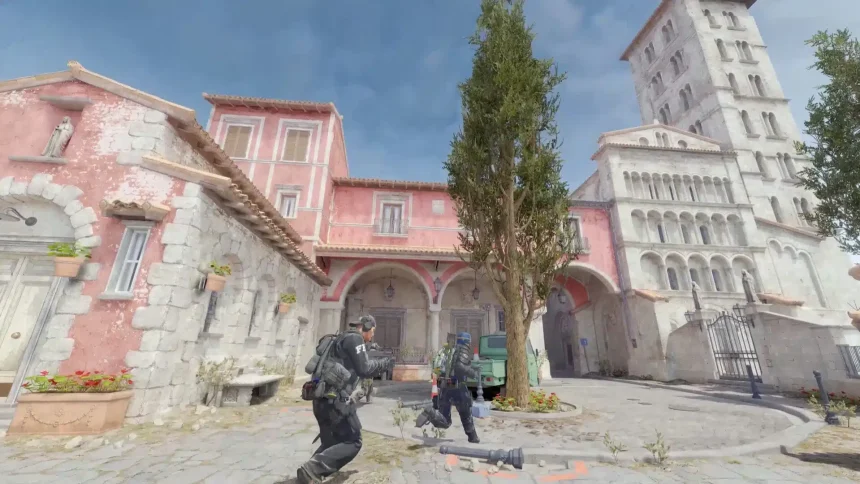
The landscape for Brazilian esports has shifted dramatically following a sweeping regulatory overhaul. As of October 6, unlicensed betting platforms have been forced offline, triggering a wave of instability across the professional Counter-Strike scene. With the nation’s political climate intensifying ahead of the October 25 presidential runoff, the long-term viability of betting-backed sponsorships remains in a state of flux.
Legislative Shifts and the End of Betting Advertising
The catalyst for this disruption is Provisional Measure 1,394, enacted by President Luiz Inácio Lula da Silva on September 25. This directive introduced stringent restrictions under Article 16, which effectively outlaws all forms of betting-related promotion, marketing, and sponsorship targeting the Brazilian populace. The mandate was swift, requiring organizations to scrub all betting-related branding from their digital and physical assets within a ten-day window.
Immediate Consequences for Professional Organizations
The financial fallout from these regulations has been immediate, forcing top-tier organizations to reconsider their operational strategies. The reliance on betting revenue-a common pillar of esports funding-has proven to be a significant vulnerability.
- Vivo Keyd Stars: Facing the sudden loss of their primary partner, EstrelaBet, the organization made the difficult decision to suspend their Counter-Strike 2 operations indefinitely on September 30, resulting in the release of their entire roster.
- LOUD: The organization reportedly scrapped plans for a new CS2 lineup before it could even be unveiled to the public. While official statements remain scarce, the timing of the decision aligns with the broader industry trend of distancing from betting partnerships to avoid regulatory friction.
This trend mirrors global shifts in sports marketing, where leagues like the English Premier League have also begun to phase out front-of-shirt betting sponsorships. For Brazilian teams, the challenge now lies in diversifying revenue streams to survive in an environment where traditional betting capital is no longer a reliable safety net.