



River Cruise Disruptions: Why Passengers Are Demanding Compensation After Coach-Based Holidays
For many travelers, a European river cruise represents the pinnacle of a relaxing vacation-unwinding on the deck while drifting past historic landscapes. However, a growing number of tourists have recently traded their luxury cabins for long-haul coach seats and hotel stays, sparking a wave of frustration regarding the lack of financial reimbursement for these significantly altered itineraries.
### The Impact of Climate-Driven Water Levels
The primary culprit behind these travel headaches is the recurring issue of low water levels across major European waterways, particularly the Danube. As extreme heatwaves become more frequent, river depths have plummeted, rendering many sections of the river impassable for larger vessels.
According to recent environmental data, the Danube has experienced record-low water levels during peak summer and early autumn months over the last few years. This phenomenon, often linked to prolonged droughts and shifting climate patterns, forces cruise operators to abandon their planned sailing routes to ensure passenger safety.
### From Luxury Cruising to Roadside Transit
The reality for many passengers has been a stark departure from the advertised experience. Take, for instance, the recent experience of Richard Pearson, a traveler from Lincolnshire. Upon arriving in Budapest for his late September sailing on the Tui River Cruise ship *Isla*, he discovered the vessel was stranded in Vienna.
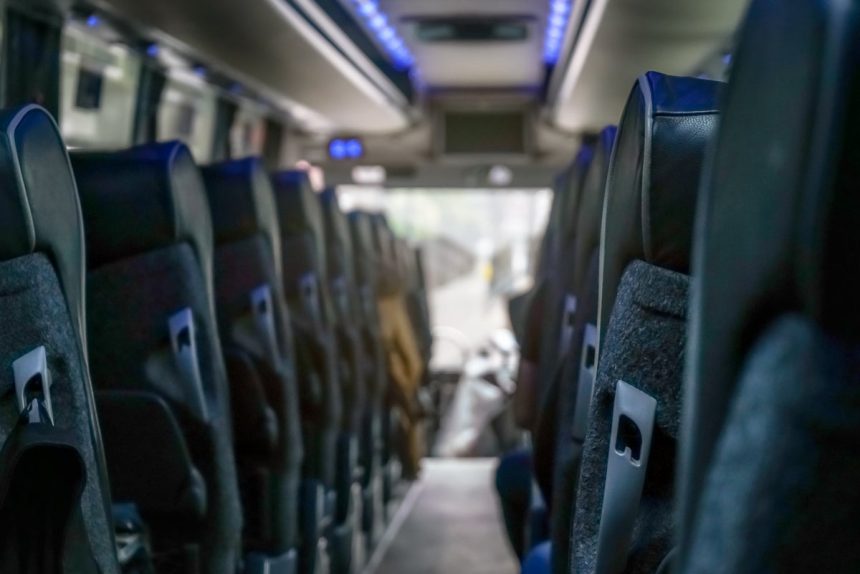
Instead of a scenic voyage, Pearson and his fellow travelers were relegated to standard hotel accommodations and forced to endure a grueling four-hour coach transfer to reach the ship. By his own estimation, Pearson spent nearly 15 hours of his vacation time either sitting on a bus or waiting at transit points-a far cry from the leisurely pace promised in the brochure.
### The Ongoing Battle for Refunds
While passengers generally concede that cruise lines cannot control the weather or the depth of the river, the core of the dispute lies in the lack of compensation. Many travelers feel that when a “cruise” becomes a “coach tour,” the value of the holiday is fundamentally diminished.
Despite the significant deviation from the original contract, many affected customers report that they are still struggling to secure refunds or partial reimbursements from operators like Tui. The industry is currently under pressure to clarify its policies regarding “force majeure” events, as travelers argue that the failure to provide the primary service-the cruise itself-should trigger a financial adjustment.
### Navigating Future Travel Risks
As climate volatility continues to affect European river tourism, experts suggest that travelers should carefully review the “change of itinerary” clauses in their booking agreements. While these disruptions are often unavoidable, the expectation for transparency and fair compensation remains a top priority for consumer advocacy groups.