



The Absurdist Evolution of a Classic: Why Triple-A Minesweeper is a Must-Play
For generations, Minesweeper has remained a staple of desktop computing-a minimalist, logic-based puzzle that has largely resisted the passage of time. However, developer and writer Mike Lacher has decided it is time for a satirical intervention. By reimagining this humble grid-based game through the lens of modern, over-produced gaming trends, Lacher has birthed Triple-A Minesweeper, a hilarious critique of the current state of the industry.
A Parody of Modern Gaming Excess
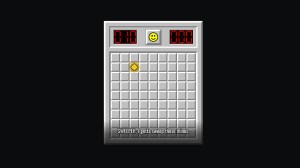
At first glance, the game presents itself with the self-importance of a blockbuster release. Upon loading the browser-based title, players are greeted with a barrage of pretentious splash screens featuring logos for Unreal Engine, Nvidia, and Wwise. It is a sharp jab at the “cinematic” obsession that plagues many contemporary titles, where technical fidelity is often prioritized over core gameplay loops. Despite these high-end trappings, the actual mechanics remain faithful to the original Windows classic, creating a jarring and comedic contrast between the “Triple-A” presentation and the simple, retro puzzle underneath.
The Art of Doing Nothing
While the game is fully functional, the true brilliance of Lacher’s creation lies in its idle state. If you choose to step back and let the game run, you will witness the birth of “Sweeper,” a gritty, reluctant protagonist who seems plucked straight from the narrative tropes of Cyberpunk 2077 or Grand Theft Auto V. Instead of clearing tiles, Sweeper spends his time pacing and muttering lines like, “I gotta sweep these mines,” perfectly capturing the melodramatic dialogue often found in open-world action games.
Narrative Tropes and Character Archetypes
The parody deepens through a series of intrusive phone calls that interrupt the gameplay, mirroring the constant mission-pestering found in titles like Metal Gear Solid. The cast of characters is a masterclass in gaming clichés:
- Nora: A forced romantic interest designed to add “emotional stakes” to a game about clicking squares.
- The Don: A mysterious underworld kingpin who constantly pressures Sweeper to visit his club, all while dropping vague, ominous hints about a dark history in Singapore.
- DJ Dan: An upbeat radio personality who provides a surreal, chipper soundtrack to the grim, high-stakes atmosphere of New Dawn City.
By injecting these bloated narrative elements into a game that requires zero story, Lacher highlights how modern developers often force complex, cinematic layers onto experiences that would be better served by simplicity. It is a brilliant, satirical look at how the industry’s obsession with “prestige” can sometimes result in a product that is more exhausting than entertaining.