


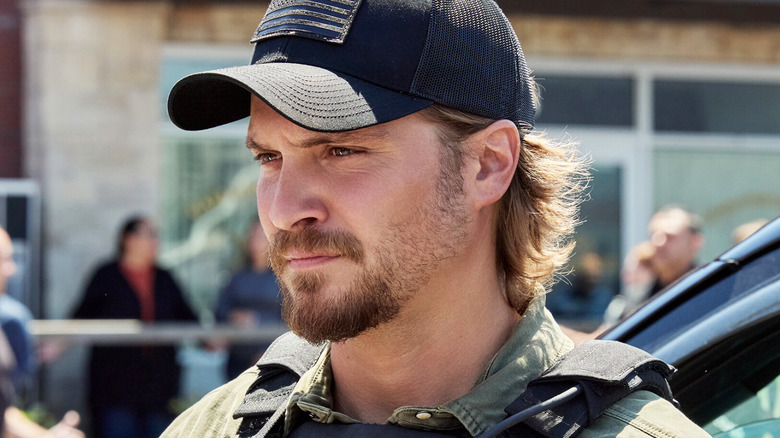
Matthias Clamer/CBS
Is Tate Dutton Finally Stepping Into the Spotlight?
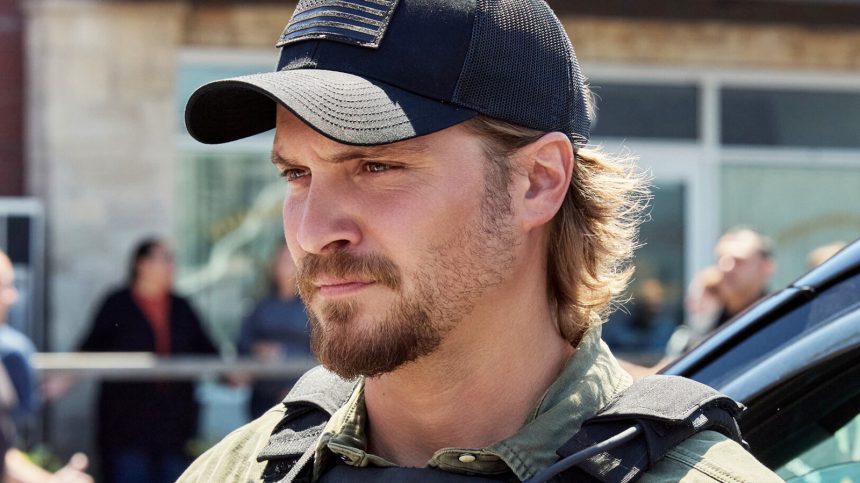
For fans of the Taylor Sheridan universe, the presence of Brecken Merrill’s Tate Dutton in Marshals has felt like a recurring tease. The series frequently hints at developing a substantial arc for the Yellowstone alum, only to retreat, leaving viewers questioning the character’s narrative purpose. However, the second episode of Season 2, titled “End of Watch,” offers a renewed glimmer of hope that the writers are finally ready to commit to a meaningful journey for Kayce Dutton’s son. Whether this momentum will hold or dissipate like previous attempts is the central question facing the show’s sophomore run.
The Struggle for Identity in a Procedural Format
The inaugural season of Marshals faced significant hurdles, often appearing unsure of its own creative direction. By attempting to juggle a sprawling ensemble cast alongside the heavy emotional history inherited from Yellowstone, the show frequently felt disjointed. This identity crisis is exacerbated by the constraints of the traditional network procedural model. In a landscape where shows like Law & Order have thrived for decades on a “case-of-the-week” structure, Marshals has struggled to balance episodic resolutions with the long-form, character-driven storytelling that Sheridan’s audience expects.
Can Character Depth Survive the Weekly Grind?
The challenge for the production team is clear: how do you maintain the gritty, serialized intensity of the Dutton saga while adhering to the rigid pacing of a weekly procedural? With the series now in its second season, the pressure is mounting to move beyond mere cameos and background appearances. If the show intends to retain its core audience, it must prioritize character development over formulaic investigations. Recent industry data suggests that audiences are increasingly gravitating toward “prestige” procedural hybrids-shows that offer the comfort of a weekly mystery while rewarding viewers with deep, evolving character arcs. If Marshals can successfully integrate Tate into this framework, it may finally find the narrative stability that eluded it during its debut.