




Reflecting on Rockstar’s Most Polarizing Project
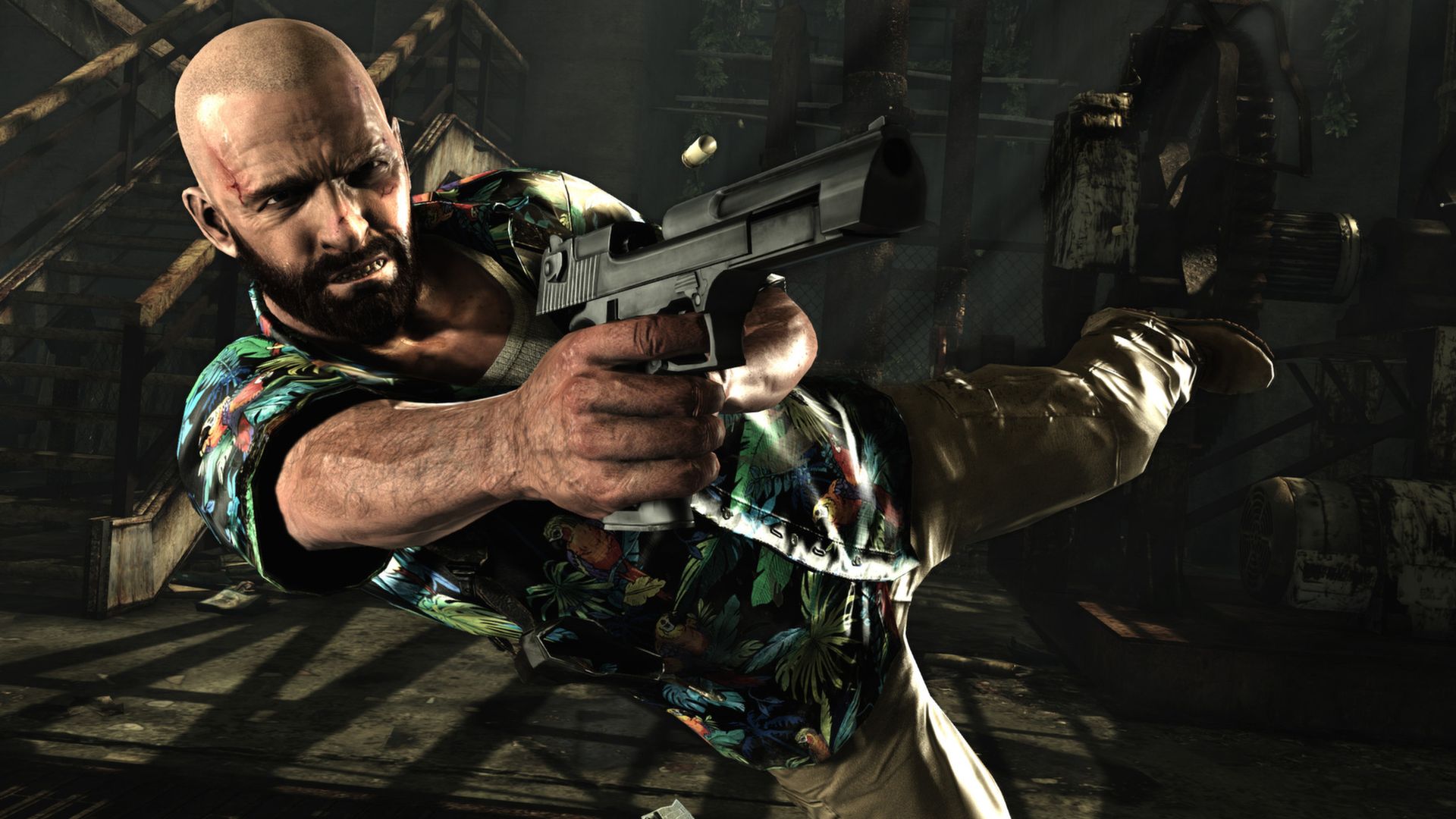
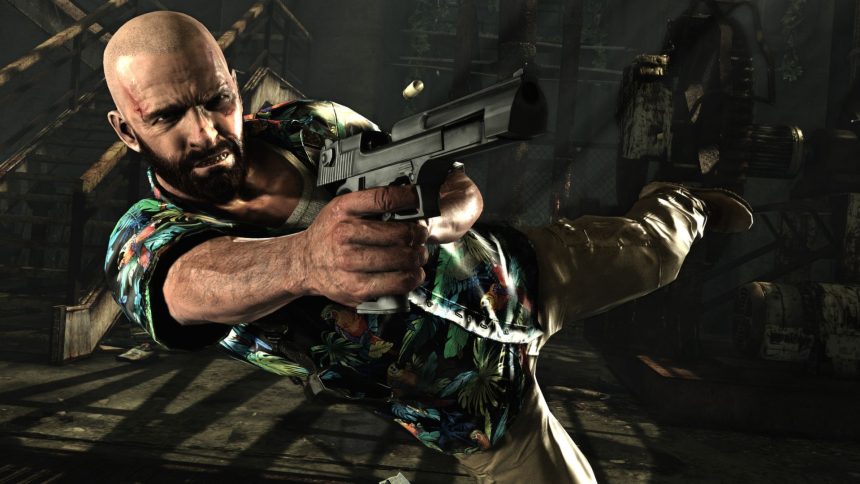
Throughout his tenure as a driving force at Rockstar Games, Dan Houser oversaw a string of industry-defining hits that set the gold standard for open-world gaming. However, looking back at his extensive portfolio, Houser identifies a surprising outlier: Max Payne 3. Despite the studio’s reputation for perfection, Houser recently shared in an interview with IGN that he views the title as a significant misstep in the company’s history.
A Departure from the Open-World Formula
For Houser, the development of Max Payne 3 offered a unique creative challenge. Unlike the sprawling, sandbox environments of Grand Theft Auto or Red Dead Redemption, this project required a tightly controlled, linear narrative. Houser noted that he genuinely enjoyed the constraints of this structure, likening the development process to crafting a 12-hour cinematic experience. He took pride in the technical achievements of the era, such as the seamless transitions that eliminated loading screens and the innovative use of kinetic typography-words flashing across the screen to mirror the protagonist’s fractured mental state. In his eyes, the team was successfully building a modern, high-fidelity digital noir.
Why the Vision Failed to Resonate
Despite the creative satisfaction Houser felt during production, the public reception told a different story. At the time of its 2012 release, the game faced a wave of criticism from long-time fans. Houser candidly admits that the team “got it completely wrong” regarding audience expectations.
The primary friction point was the tonal shift. While Remedy Entertainment’s original entries were defined by their moody, slow-burn neo-noir atmosphere and internal monologues, Rockstar’s iteration pivoted toward a relentless, high-octane action spectacle. By prioritizing explosive gunplay and a sun-drenched Brazilian setting over the gritty, rain-slicked streets of the original games, the title alienated a core demographic that was looking for a more traditional continuation of the series’ identity. While the game eventually gained a cult following for its refined shooting mechanics, it remains a poignant example of how even a powerhouse studio can struggle when balancing creative evolution with the legacy of a beloved franchise.