


The Rocky Rollout of Total War: Shogun 2 Complete Edition
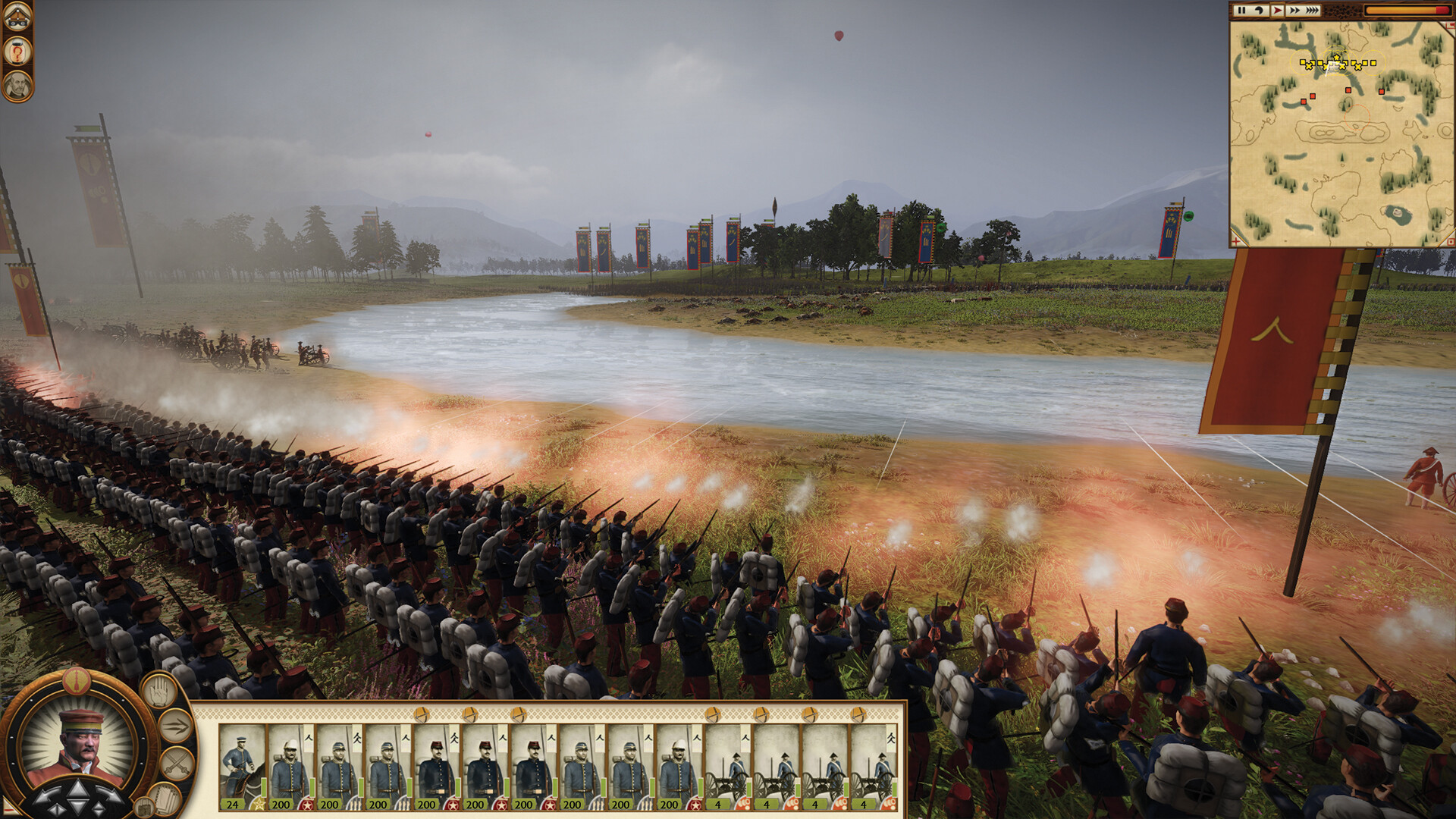
The recent debut of Total War: Shogun 2 Complete Edition has been far from the triumphant return Creative Assembly and Sega envisioned. Despite the initial excitement surrounding the announcement, the PC launch has been marred by a wave of technical instability and community backlash, turning what was meant to be a definitive celebration of a classic into a cautionary tale of modern game distribution.
Technical Hurdles and Community Backlash
The transition to this new edition has been anything but smooth. Players have reported a litany of grievances, ranging from persistent performance drops to compatibility conflicts with long-standing community mods. Perhaps most frustrating for veterans of the series is the reappearance of legacy bugs that were thought to be long buried, alongside a fresh batch of technical glitches introduced by the new build.
Beyond the code-level issues, the title has faced intense scrutiny regarding its artistic integrity. Critics have pointed to the apparent use of uncredited, AI-upscaled assets within the game’s interface, sparking a heated debate about the quality control standards applied to this $40 release. When a publisher replaces existing, functional versions of a game with a “definitive” edition that performs worse, the resulting friction with the player base is inevitable.
Sega’s Strategic Retreat
In a swift response to the mounting criticism, Sega utilized Bluesky to address the community directly. Acknowledging that the current state of the Complete Edition falls short of expectations, the publisher has taken the drastic step of pulling the title from digital storefronts. In its place, they have reinstated access to the previous, more stable iterations of the game.
For those who have already purchased the Complete Edition and are finding enjoyment despite the flaws, the game remains playable. However, for prospective buyers, the doors are temporarily closed. While it is frustrating to see a beloved title stumble, this pause is a necessary measure. As the industry continues to grapple with the challenges of remastering legacy software, it is often wiser to exercise patience than to invest in a product that fails to honor the legacy of the original experience.