



Navigating Shallow Waters: The Ongoing Crisis Facing European River Cruises
While the sweltering temperatures of the summer season have finally subsided, the maritime travel industry remains in a state of flux. Cruise lines are currently grappling with the lingering consequences of extreme weather, as persistent low water levels continue to force significant alterations to planned travel itineraries.
The Environmental Impact on Inland Waterways
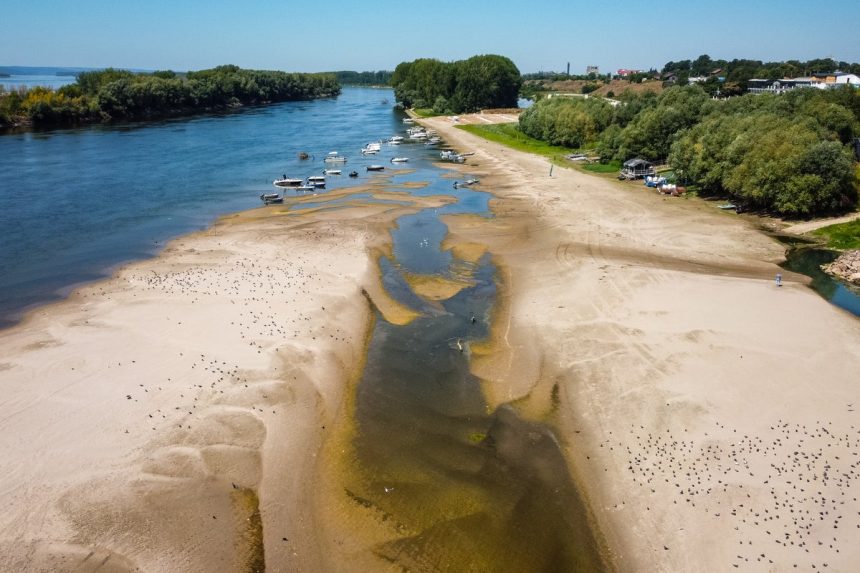
The root of the problem lies in the severe droughts and prolonged heatwaves that gripped Europe throughout the summer. These climatic conditions caused a drastic reduction in the volume of water flowing through the continent’s vital arteries, effectively limiting the navigational reach of many cruise ships.
The Danube River, a cornerstone of European river tourism, has been particularly hard hit. In August, water depths near Budapest plummeted to near-record lows, while sections in Romania experienced their most shallow conditions since 1996. This phenomenon is not isolated; the Rhine and other major waterways are contending with identical hydrological challenges. Because rainfall has remained insufficient to replenish these riverbeds, the depth remains inadequate for larger vessels to dock safely or navigate certain stretches.
Passenger Experience and Operational Disruptions
The inability to sail has created a logistical headache for both operators and travelers. Recent reports highlight the frustration of Tui River Cruises guests who, instead of enjoying a scenic voyage, found themselves relegated to long-distance coach travel and hotel stays. While the company has issued formal apologies and maintained that passengers were notified of the itinerary changes, the shift from a luxury cruise experience to a land-based transit model has sparked significant dissatisfaction.
A Widespread Industry Challenge
This is not merely a localized issue for one operator; it is a systemic challenge affecting the entire river cruise sector. Major players, including Uniworld, Viking, Travelmarvel, AmaWaterways, and Riviera Travel, are all forced to navigate these unpredictable conditions.
Industry experts note that climate volatility is becoming a “new normal” for European river travel. With water levels failing to rebound, cruise lines are being forced to rethink their operational strategies-ranging from investing in shallower-draft vessels to offering more flexible, land-based excursion alternatives. As the industry moves forward, the ability to adapt to these environmental constraints will be the defining factor for success in the European river cruise market.