




Unearthing a Lost Legacy: The Cinematic Archive of Chris Hesse
By: Editorial Staff | October 18, 2026
“What was so dangerous about those films that they had to be destroyed?”
This haunting question serves as the emotional anchor for The Eyes of Ghana, a compelling new documentary film directed by Ben Proudfoot. Produced through a collaboration between Higher Ground, Breakwater Studios, and IShowSpeed, the project offers a profound look at the intersection of political upheaval and historical preservation. Following its successful debut at the Toronto International Film Festival (TIFF) last year, the film is slated for a limited theatrical run this autumn ahead of its wider streaming debut.
The Man Behind the Lens
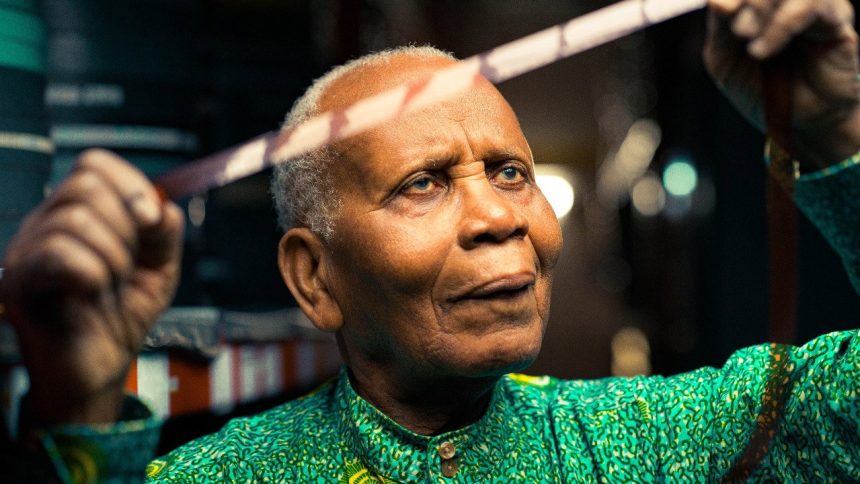
At the heart of the narrative is Chris Hesse, a visionary Ghanaian filmmaker who held the prestigious and perilous position of personal cinematographer to Dr. Kwame Nkrumah, Ghana’s inaugural president. Hesse’s career was defined by his proximity to power during a transformative era for the nation. However, the political landscape shifted violently in 1966 when a CIA-supported coup ousted Nkrumah. In the ensuing chaos, the vast majority of the footage Hesse had meticulously compiled over ten years was ordered to be incinerated. For years, the prevailing belief was that this vital visual record of Ghana’s independence had been erased from existence.
A Hidden Archive Resurfaces
Contrary to the narrative of total destruction, the documentary reveals a startling truth: Chris Hesse had quietly safeguarded a massive collection of over 1,000 film reels. This cache represents the most extensive existing archive documenting Ghana’s journey toward liberation. While these images have remained largely shielded from the public eye for decades, their emergence is poised to do more than just fill gaps in local records. Experts suggest that this footage possesses the potential to fundamentally reshape our understanding of both African history and the broader global political climate of the mid-20th century.
As noted by TIFF, the film serves as a testament to the resilience of memory against the forces of erasure. By documenting the life of a man who captured the birth of a nation, Proudfoot invites audiences to reconsider the power of the moving image as a tool for both liberation and suppression.

For those interested in the latest previews of upcoming non-fiction cinema, you can browse our collection of TRAILERS.