



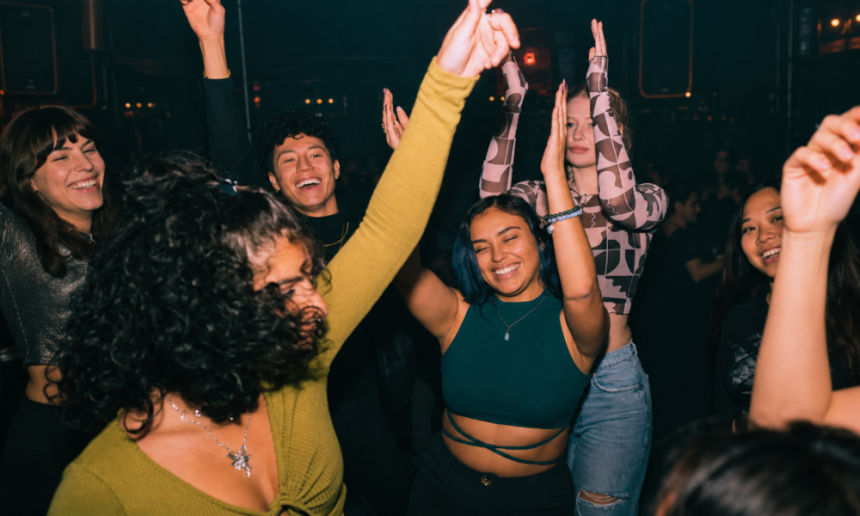
# The Digital Panopticon: Why Gen Z is Retreating from the Dance Floor
The carefree days of losing yourself in a crowd are being overshadowed by the looming threat of the smartphone lens. A recent investigation into the habits of younger generations reveals a stark shift in social behavior: the fear of being captured, uploaded, and scrutinized by strangers is fundamentally altering how Gen Z interacts with public spaces.
## The “Viral Anxiety” Phenomenon
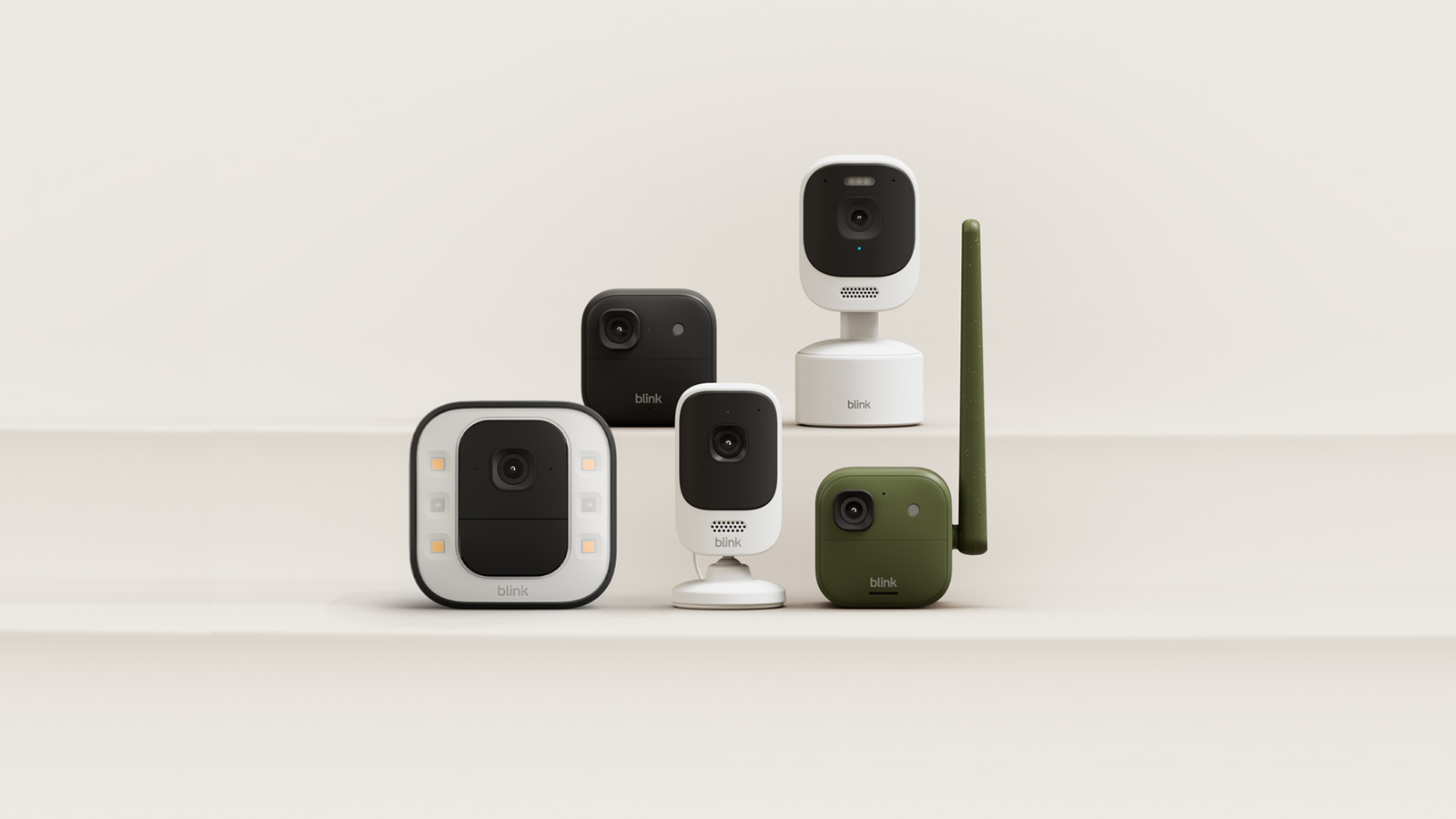
According to a study conducted by Dynata on behalf of LifeStance Health, the ubiquity of high-definition cameras in nightlife venues has created a digital panopticon. When 1,000 U.S. adults were surveyed in July 2026, the data highlighted a profound psychological barrier: nearly half (49%) of Gen Z participants admitted they actively refrain from dancing in public settings. Their primary motivation? The paralyzing concern that a candid moment of self-expression could be weaponized as viral content without their permission.
This isn’t just about avoiding a bad angle; it is a defensive mechanism against the permanence of the internet. In an era where a ten-second clip can be stripped of context and shared globally, the dance floor-once a sanctuary for liberation-has become a site of potential surveillance.
## Beyond the Club: The Impact on Social Mobility
The implications of this “viral anxiety” extend far beyond the dance floor. The survey indicates that the pressure of potential digital exposure is influencing the fundamental decision to socialize at all. A staggering 72% of Gen Z respondents reported that the fear of going viral dictates their willingness to leave their homes or commit to attending public events.
Think of it as a modern-day “social agoraphobia.” Just as someone might avoid a crowded street for fear of physical discomfort, Gen Z is increasingly avoiding social hubs to protect their digital reputation. The risk of becoming an involuntary meme or a target for online commentary has become a significant deterrent to participating in the very nightlife culture that defines youth.
## A Changing Landscape for Nightlife
As smartphones become more sophisticated and social media algorithms prioritize “cringe” or “shock” content, the atmosphere in clubs, festivals, and concert venues is shifting. The spontaneity that once defined these spaces is being replaced by a performative caution.
When nearly three-quarters of a generation feels that their social life is contingent upon the risk of unwanted exposure, the industry faces a challenge. Nightlife venues may soon need to consider “phone-free” policies or designated non-recording zones to reclaim the sense of privacy that is essential for genuine human connection. Until then, the dance floor remains a place where many feel they are being watched, rather than being free.