

Tesla Sets a Target Date for Consumer Robotaxi Integration
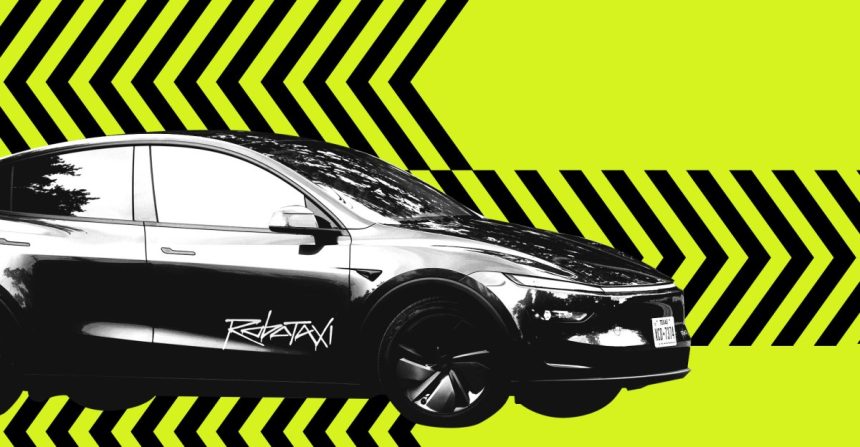
For a significant period, Elon Musk has tantalized Tesla enthusiasts with the prospect of fully autonomous driving, specifically the capability for private owners to integrate their personal vehicles into the company’s robotaxi fleet. While these claims have often felt like distant aspirations, the automaker’s recent third-quarter earnings report finally established a concrete timeline for this transition.
The 2027 Roadmap for Autonomous Fleets
Ashok Elluswamy, Tesla’s Vice President of Autonomous Driving, provided clarity on the rollout during the earnings call. He confirmed that the company intends to enable private Tesla owners to contribute their vehicles to the autonomous network by the second quarter of 2027.
Elluswamy highlighted the technical synergy between existing consumer models and the dedicated Cybercab, noting that the underlying software architecture is identical. He explained:
> “The software for Cybercabs and Model Y is the same. We anticipate releasing this software as part of the V15 update to our customers shortly. The primary hurdle remaining is ensuring that consumer-owned Model Y vehicles can seamlessly integrate into our existing geofencing and fleet management infrastructure. We currently project that by Q2 of next year, we will begin onboarding the first wave of customer vehicles into the robotaxi network.”
Navigating the Reality of Ambitious Deadlines
While this announcement provides a much-needed anchor for investors and owners, industry analysts remain cautious. Tesla’s history with autonomous driving is marked by a pattern of aggressive projections that frequently miss their initial marks. Much like a marathon runner who consistently overestimates their pace, Tesla has often struggled to align its ambitious software development cycles with the complex realities of real-world deployment.
Given the regulatory hurdles and the immense safety requirements involved in unsupervised driving, this Q2 2027 target should be viewed as a goal rather than a guarantee. As the industry watches, the question remains whether Tesla can bridge the gap between its current driver-assist capabilities and the rigorous demands of a fully autonomous, commercialized ride-hailing service.