




Advancing AI Training: Nvidia Enhances Cosmos with Synthetic Data Capabilities
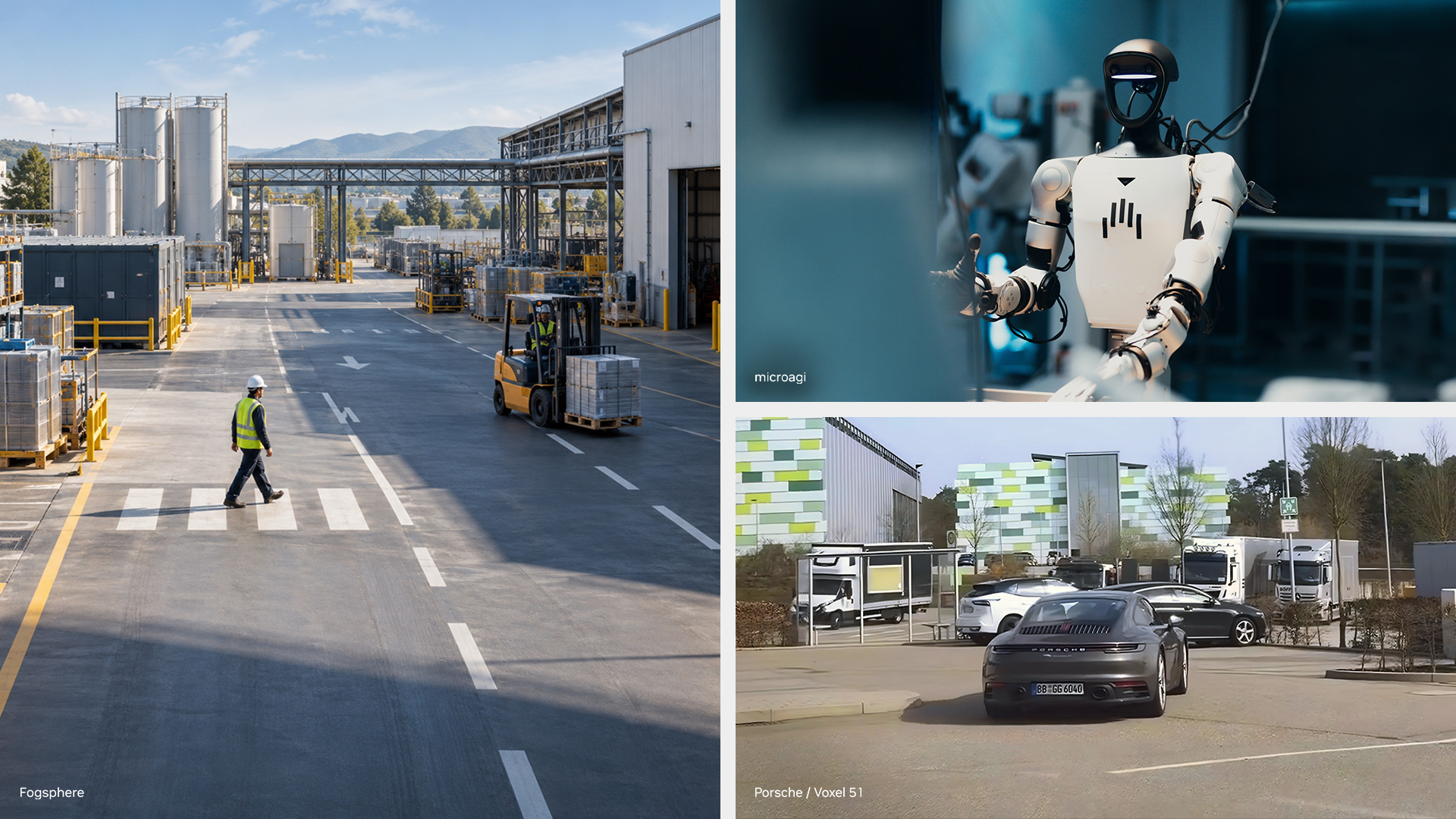
Nvidia is pushing the boundaries of machine learning by upgrading its Cosmos framework, specifically targeting the creation of synthetic training data. This initiative focuses on generating scenarios that are either too dangerous, rare, or logistically impossible to capture in physical environments. By leveraging these tools, developers can now simulate complex variables-such as sudden weather shifts, lighting fluctuations, and specific industrial manufacturing flaws-to train more robust AI models.
A Comprehensive Pipeline for World Models
The latest update, detailed in the October 22 announcement, provides a holistic approach to the AI lifecycle. Unlike consumer-facing generative video tools designed for entertainment, Cosmos is engineered for high-stakes industrial applications. It serves as an end-to-end ecosystem that streamlines data curation, model training, and simulation environments. This is particularly vital for engineers developing autonomous vehicles and sophisticated robotics, where the cost of failure in the real world is prohibitively high.
New Blueprints for Industrial Precision
The Cosmos Data Factory has been significantly bolstered with five specialized workflows. These blueprints are designed to solve specific bottlenecks in AI development:
* Autonomous Navigation Datasets: Creating high-fidelity driving footage that mimics complex traffic patterns.
* Dynamic Object Variation: Altering the visual properties of objects within a scene to improve model generalization.
* Temporal Event Synthesis: Converting static imagery into dynamic video sequences to train models on how events unfold over time.
By integrating these synthetic workflows, developers can effectively “stress test” their models against edge cases that rarely occur in nature but are critical for safety-critical systems. For instance, rather than waiting for a rare blizzard to test a self-driving car’s sensor suite, developers can generate thousands of hours of synthetic, high-fidelity blizzard footage to ensure the vehicle’s perception system remains reliable under extreme conditions.
This shift toward synthetic data is becoming an industry standard. Recent reports suggest that by 2026, 60% of data used for AI and analytics projects will be synthetically generated to overcome privacy concerns and data scarcity, positioning Nvidia’s Cosmos as a foundational tool for the next generation of intelligent machines.