





Shielding Your Skin from Winter Eczema Flares
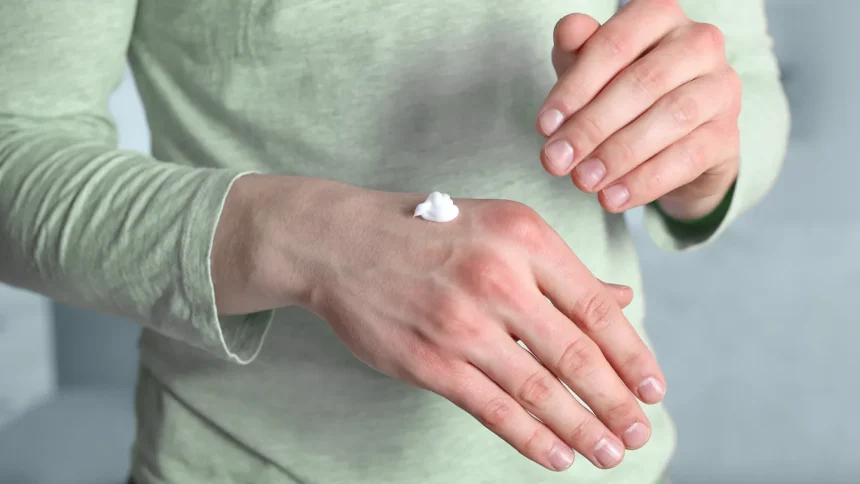
As temperatures plummet, the drop in humidity often triggers painful skin conditions. Hand eczema, in particular, becomes a frequent struggle during the colder months, manifesting as severe peeling, painful fissures, and blisters across the fingers, palms, and back of the hands. According to Jeffrey Benabio, MD, a board-certified dermatologist at Kaiser Permanente, the most effective defense is a proactive barrier.
Prioritize Physical Barriers
The simplest way to mitigate environmental damage is to minimize direct exposure to frigid air. Dr. Benabio emphasizes that wearing gloves is non-negotiable whenever you step outside. Beyond your hands, don’t neglect other vulnerable areas; your face, neck, and scalp are equally susceptible to the drying effects of winter winds. Utilizing a thick scarf and a warm hat acts as a vital buffer, preventing the rapid moisture loss that leads to irritation.
Curating Your Winter Wardrobe
What you wear is just as important as how much you wear. When managing eczema, the texture and composition of your clothing play a significant role in skin health. Experts suggest being highly selective with fabrics that make direct contact with your skin.
* Choose Breathable Comfort: Prioritize soft, organic fibers such as bamboo or cotton. These materials allow the skin to breathe while maintaining a gentle touch.
* Avoid Synthetic Triggers: It is best to steer clear of materials known to exacerbate inflammation, such as nylon, polyester, spandex, and coarse wool.
Breaking the Itch-Scratch Cycle
When skin is irritated by harsh fabrics or extreme cold, it often triggers a persistent itch-scratch cycle. This cycle not only damages the skin barrier but can also lead to secondary infections. By choosing skin-friendly textiles and consistently covering exposed areas, you can significantly reduce the likelihood of a flare-up. Recent dermatological data suggests that maintaining a consistent barrier routine can reduce the frequency of winter-related dermatitis episodes by up to 40% in patients who previously struggled with seasonal dryness.