

Embracing Imperfection: Why Blue Planet III is Rejecting the AI-Polished Aesthetic
In an era where artificial intelligence can generate hyper-realistic, flawless imagery at the click of a button, the line between captured reality and digital fabrication has blurred. To combat the skepticism surrounding modern media, the production team behind the BBC’s Blue Planet III has made a bold creative pivot: they are intentionally keeping the “flaws” in their footage.
The Authenticity Crisis in the Age of AI
For years, nature documentaries were celebrated for their pristine, high-definition visuals-shots so perfect they felt almost otherworldly. However, as AI-generated content becomes increasingly indistinguishable from reality, that level of polish has become a liability. Today, viewers are naturally suspicious of anything that looks “too good to be true.”
By embracing a grittier, more organic aesthetic, Blue Planet III is positioning itself as a bastion of truth. The production team is moving away from the sterile, airbrushed look that has become the hallmark of synthetic media.
Leaving the “Warts and All”
Executive Producer Elizabeth White explained to The Guardian that the editorial philosophy for this installment is fundamentally different. In previous productions, the presence of floating debris, plankton, or even a stray buoy in the background would have been grounds for cutting a scene or cropping the frame to ensure a “clean” shot.
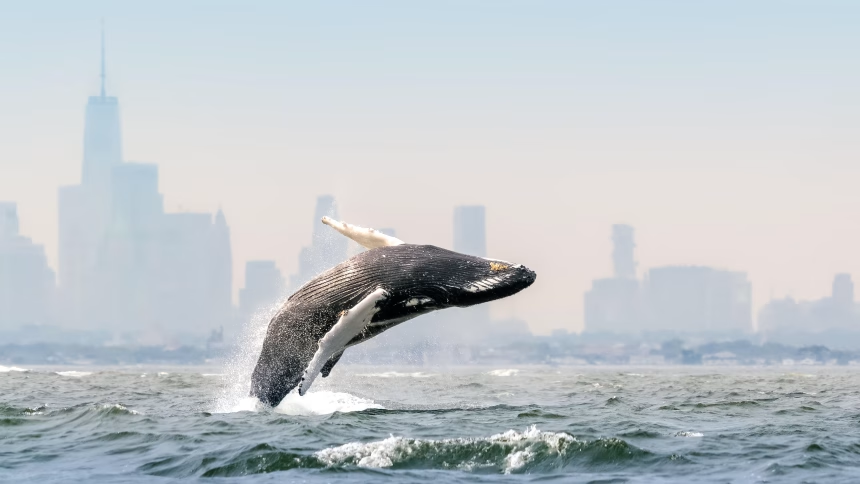
“We might have framed out a boat or a buoy or gone: ‘Oh, actually … the water conditions are not really good enough for this,’” White noted. By choosing to retain these elements, the series provides a raw, unfiltered look at the ocean, proving that the footage was captured in the wild rather than synthesized in a studio.
Nature’s Unscripted Spectacle
Despite the shift toward a more “cloudy” and realistic visual style, the series remains packed with breathtaking biological phenomena. The latest season highlights complex behaviors that underscore the intelligence of marine life, including:
* Strategic Tool Use: Dolphins demonstrating advanced problem-solving by utilizing sea sponges to trap prey.
* Complex Social Dynamics: Observations of inter-species communication that challenge our understanding of aquatic intelligence.
* Mass Migration Patterns: The awe-inspiring sight of 200,000 crabs coordinating their movements in precise formations to feed.
By prioritizing the messy, unpredictable reality of the natural world over the artificial perfection of digital editing, Blue Planet III is setting a new standard for documentary filmmaking-one where the imperfections are the ultimate proof of life.