

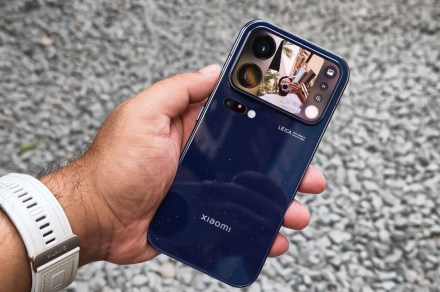



Smartphone photography keeps getting better and better, and yet, I can’t help but feel we’re losing some of the charm that once made it so fun. Just a decade ago, manufacturers weren’t afraid to experiment with quirky features, some of which worked brilliantly while others missed the mark entirely. A few even went against the grain, packing their phones with dedicated, beefy camera hardware to push the boundaries of mobile photography. Nowadays, computational photography has become the driving forces behind most smartphone cameras.
Still, a few brands have managed to do both. Xiaomi is the perfect example, bringing cutting-edge imaging hardware and combining it with unique processing from Leica (at least for its flagship models). I’ve used some of the most expensive phones out there, but not all of them have me reaching for a frame that caught my eye in real life.
Now, we get devices like the Pixel 11 Pro that try to make everything sharper, brighter, and cleaner than ever before. Every flagship basically promises exceptional dynamic range, accurate skin tones, and enough computational photography to make everything look ready for a quick social media upload.
Vikhyaat Vivek / Digital Trends
But that feels overly restrictive in the face of actual photography.