


The Resurgence of Tarmac Captivity: Why Flight Delays Are Hitting 15-Year Highs
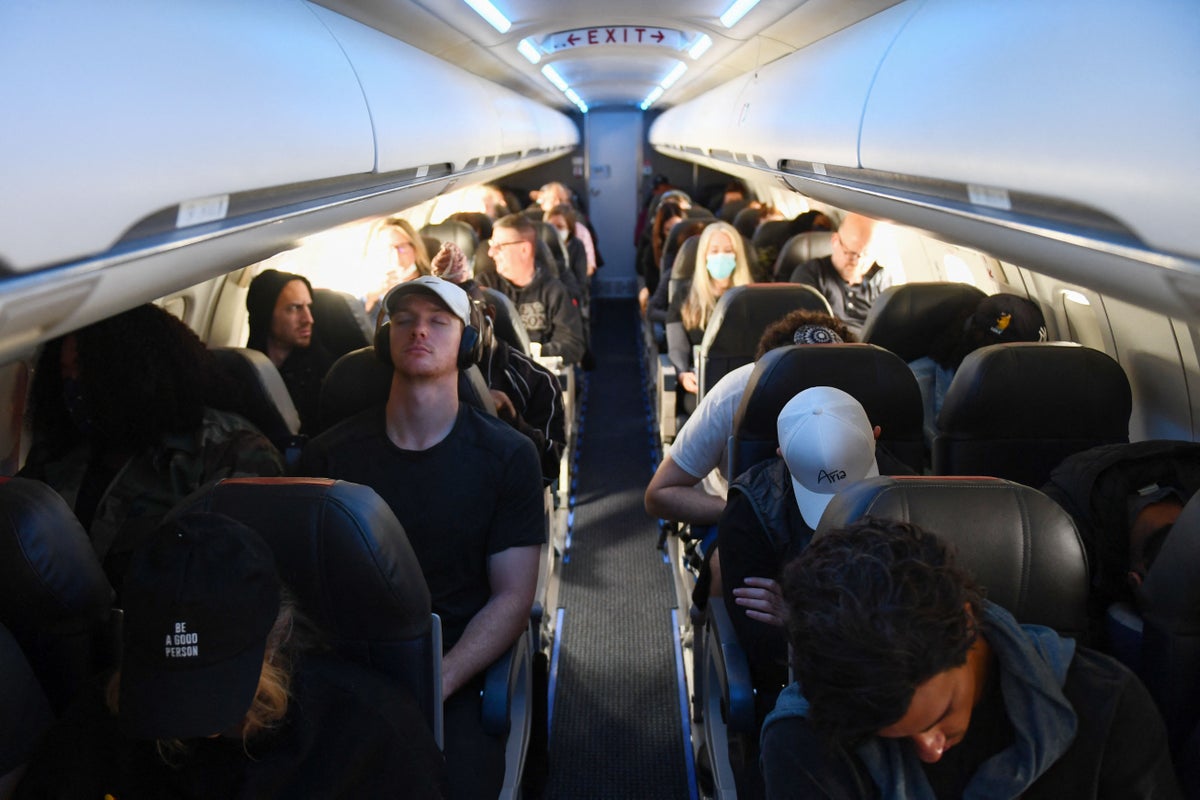
Air travel in the United States is currently facing a frustrating regression. After years of relative stability, passengers are once again finding themselves stuck aboard planes for extended periods. Recent analysis indicates that tarmac delays exceeding three hours have surged to levels not seen since 2009, marking a troubling trend for domestic aviation.
A Decade of Progress Undone
For many years, the aviation industry operated under a successful regulatory framework. Following the implementation of strict passenger protections by the Transportation Department in 2010, the industry saw a dramatic shift. By imposing significant financial penalties on carriers that held travelers hostage on the tarmac, the government effectively incentivized efficiency.
The results were immediate and impressive: within just 24 months of the rule’s inception, incidents of three-hour delays plummeted by 94 percent. For over a decade, from 2011 through 2024, the Department of Transportation maintained a consistent record of enforcement, issuing fines to ensure compliance and passenger comfort.
The Statistical Shift
The current trajectory suggests that the U.S. is heading toward its worst performance regarding tarmac delays in a decade and a half. According to Bureau of Transportation Statistics data reviewed by The New York Times, the frequency of these events is climbing rapidly.
To put this into perspective:
* 2009 Baseline: Roughly two out of every 10,000 flights experienced a three-hour delay.
* Post-Regulation Success: Following the 2010 rules, this rate dropped to near zero.
* Current Reality: The rate of domestic flights trapped for over three hours has nearly doubled since 2024, pushing the frequency back above one in every 10,000 flights.
Regulatory Enforcement and Changing Priorities
The primary driver behind this decline in service quality appears to be a shift in federal oversight. While the Transportation Department was once a vigilant watchdog, recent administrative changes have signaled a cooling of enforcement efforts.
Since Sean Duffy assumed the role of transportation secretary in January 2025, the aggressive stance on airline accountability has noticeably softened. Much like a sports team that stops playing defense once the lead is secured, the lack of consistent regulatory pressure has emboldened carriers to prioritize operational convenience over the strict time limits previously enforced to protect the flying public. As these