



The Hidden Gem You’re Overlooking on Netflix
As Netflix continues its aggressive expansion, the sheer volume of content can feel overwhelming. The platform has evolved far beyond its roots as a simple movie repository; today, it is a sprawling ecosystem encompassing live-programming, high-stakes reality competitions, and an expanding catalog of interactive games. With such a saturated interface, it is remarkably easy for high-quality, understated storytelling to get buried by the algorithm. I nearly missed out on one of the platform’s most profound treasures: Midnight Diner.
A Sanctuary in the Heart of Shinjuku
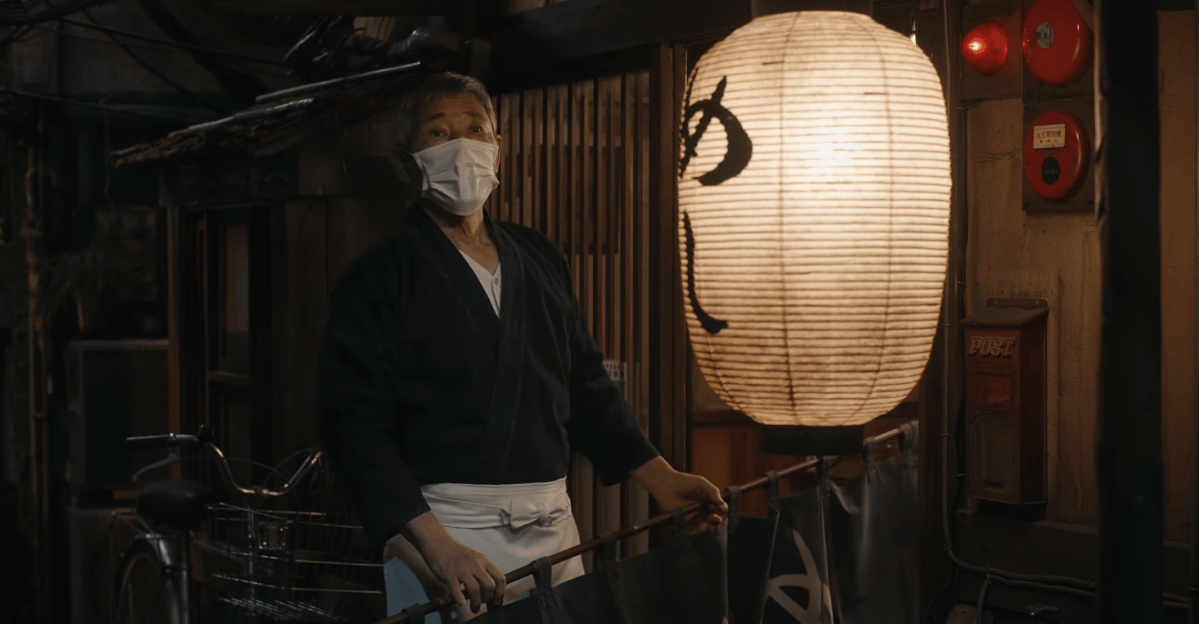
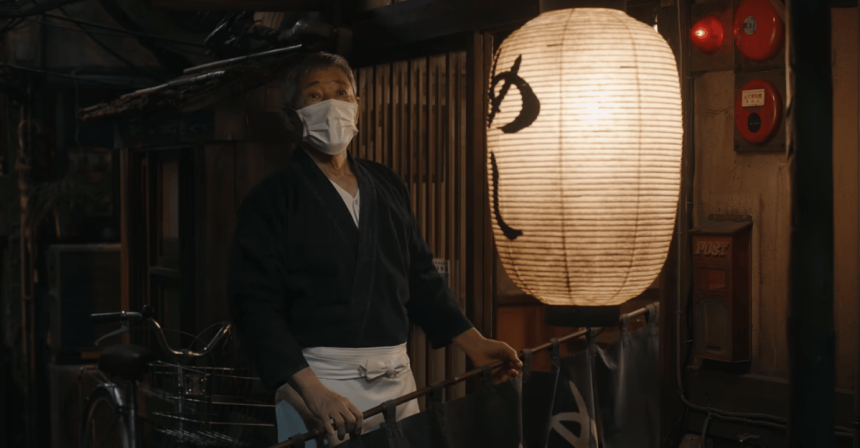
If you are searching for the ultimate “comfort watch,” look no further. Midnight Diner offers a rare, meditative experience that stands in stark contrast to the high-octane pacing of most modern streaming hits. The narrative centers on a modest, unassuming eatery hidden within the labyrinthine alleys of Shinjuku. Operating exclusively from midnight until 7:00 AM, the establishment serves as a nocturnal refuge for a diverse cast of characters.
At the heart of the diner is the enigmatic proprietor, played by Kaoru Kobayashi, who is referred to simply as “Master.” He acts as both a culinary guide and a silent confidant to the weary souls who wander in. The series originally flourished for three seasons on Japanese television before Netflix recognized its global potential, eventually commissioning additional episodes under the banner Tokyo Stories.
Why Slow-Burn Storytelling Matters
In an era where streaming services are fighting for dominance-with Netflix recently reporting over 277 million global subscribers-the pressure to produce “bingeable” content often leads to frantic, plot-heavy shows. Midnight Diner defies this trend. It functions much like a warm cup of tea on a rainy night; it doesn’t demand your constant attention with cliffhangers, but rather invites you to sit with the characters as they navigate life’s small, poignant struggles.
The show’s longevity is a testament to its quality. Despite the significant production hiatus-with the second season of the Netflix-produced iteration arriving back in 2019-the series has maintained a dedicated cult following. This patience from the audience highlights a growing desire for “slow TV,” a genre that prioritizes atmosphere and human connection over spectacle.