




The AI Controversy Surrounding David Fincher’s Latest Project
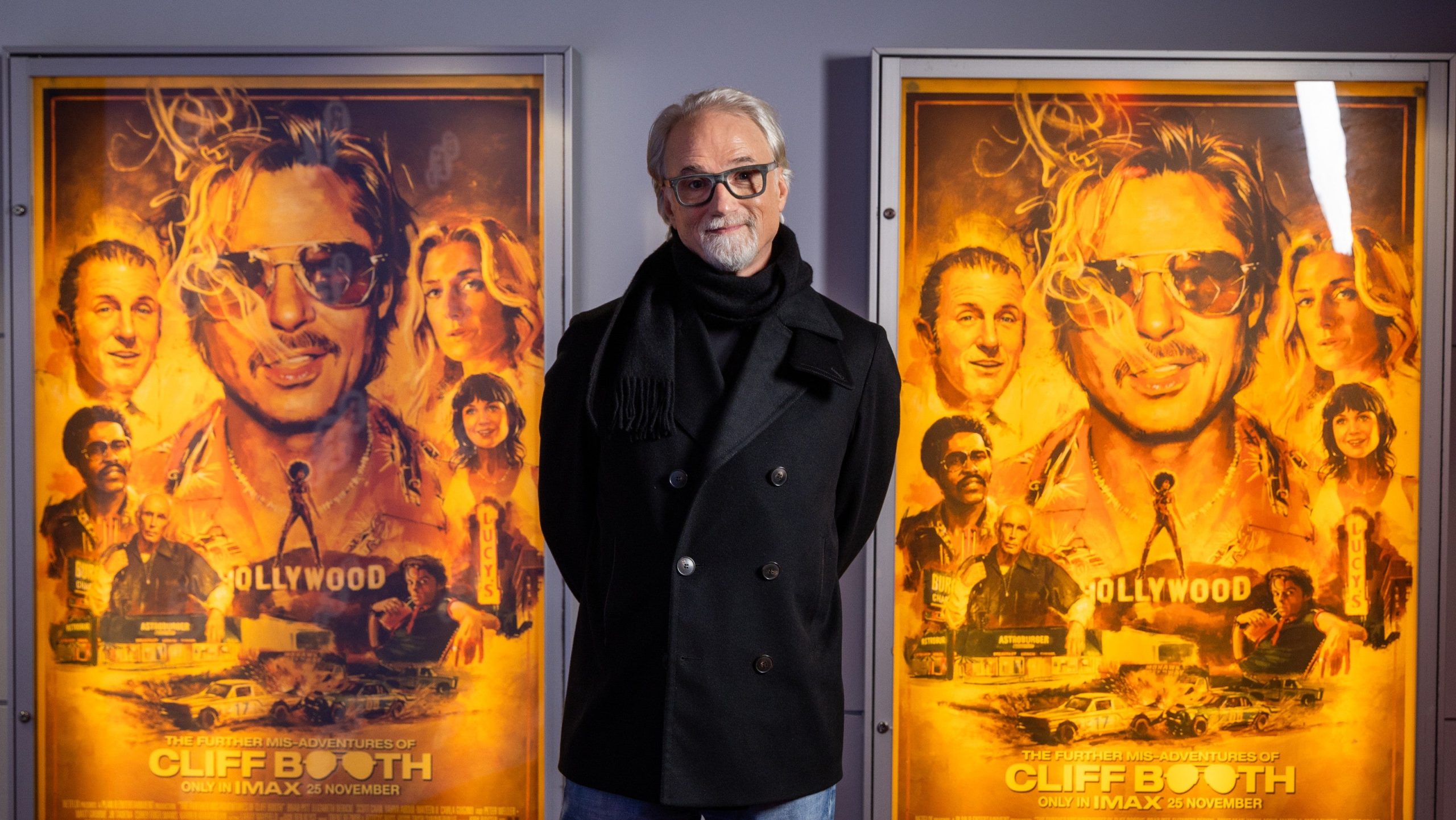
Renowned filmmaker David Fincher, the visionary behind cinematic staples like Fight Club and Seven, has ignited a firestorm of criticism following his candid remarks regarding the integration of artificial intelligence in modern production. His comments surfaced during the rollout of his latest project, The Further Mis-Adventures of Cliff Booth, a Netflix feature that has become a lightning rod for the ongoing industry debate over the ethics of AI-assisted filmmaking.
A Creative Collaboration Reimagined
The film serves as a unique creative intersection, bringing together Fincher and his frequent collaborator Brad Pitt. Written by Quentin Tarantino, the movie functions as a standalone spinoff of Once Upon a Time in Hollywood, with Pitt stepping back into the boots of the iconic stuntman Cliff Booth. While the star power behind the project is undeniable, the technical methodology employed during production has overshadowed the narrative itself.
Redefining the Editing Suite with AI
In a candid discussion on The Ringer’s Big Picture podcast, Fincher revealed that he utilized generative AI tools to streamline the post-production process. Specifically, the technology was used to synchronize optimal vocal performances with the best physical takes, even when the two did not originally align on set. By manipulating lip movements and dialogue in post-production, the production team was able to bypass the traditional, time-consuming necessity of multiple retakes.
To put this into perspective, the industry is currently grappling with the rapid adoption of such tools; recent reports suggest that AI-driven post-production workflows can reduce editing timelines by as much as 30%, though this efficiency comes at the cost of traditional craft. Fincher defended this shift, likening the process to a fluid, malleable art form rather than a rigid, static one. “We’re not chiseling this out of marble,” he noted, emphasizing that the technology provided a sense of creative liberation rather than a constraint.
The “Dystopian” Debate
Critics, however, view this “plastic” approach to performance as a slippery slope. The backlash centers on the fear that replacing human nuance with algorithmic correction strips cinema of its organic soul. While Fincher views the technology as a tool for efficiency-much like the transition from film stock to digital sensors-detractors argue that it fundamentally alters the actor-director relationship. As AI continues to permeate Hollywood, the industry remains deeply divided on whether these tools represent the future of storytelling or the erosion of the human element in performance.