



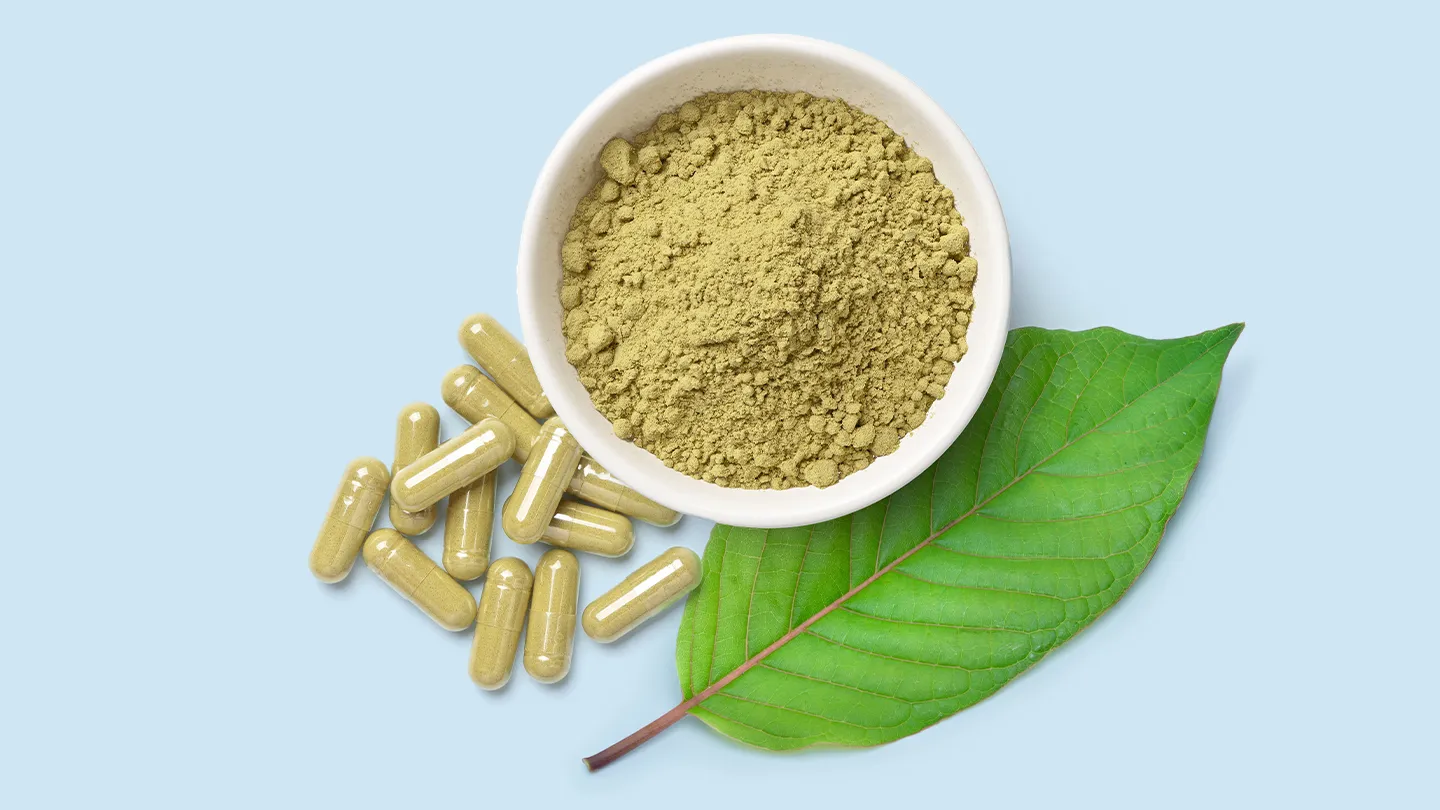

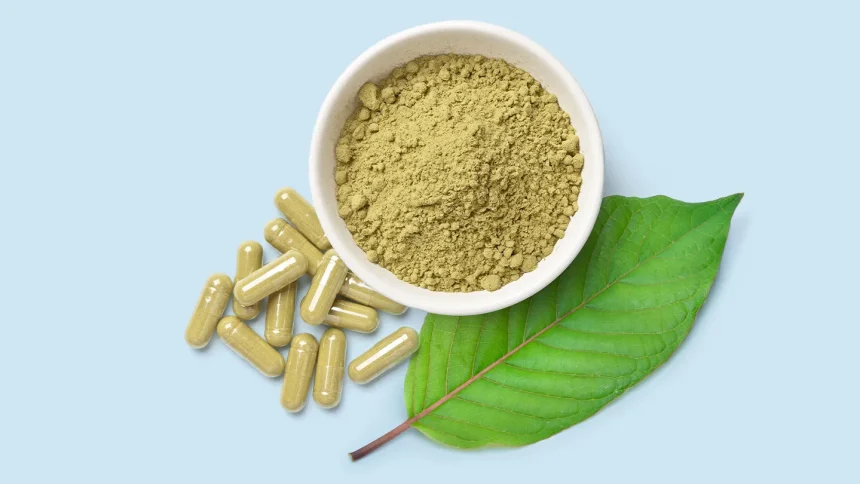
Understanding the Hidden Dangers of Kratom Use
The widespread availability of kratom-often found in convenience stores, smoke shops, and online marketplaces-has created a dangerous illusion of safety. Because it is easily purchased, many consumers mistakenly assume it is a harmless, natural supplement. However, medical experts warn that this accessibility is misleading.
The Illusion of Safety vs. Clinical Reality
The primary concern regarding kratom is the disconnect between its marketing and its physiological impact. While it is frequently promoted as a “cure-all” for everything from chronic pain and insomnia to anxiety and lack of focus, the reality is far more complex.
According to Natalie Klag, MD, a specialist in psychiatry and addiction medicine at the Ohio State University Wexner Medical Center, the perceived benefits are often fleeting. “It looks ‘fun’ and low risk, but in reality, it can be very addictive and cause significant health concerns,” Dr. Klag explains. She emphasizes that while the product is marketed as a low-cost solution, the long-term health costs associated with dependency are substantial.
The Regulatory Gap and Public Health
A significant issue fueling the kratom crisis is the lack of federal oversight. Unlike pharmaceuticals that undergo rigorous testing for safety and efficacy, kratom is sold with minimal regulation.
George Singletary, MD, associate program director for the addiction medicine fellowship at Tulane University, notes that the natural origin of a substance does not guarantee its safety. “There are many potential benefits to many psychoactive substances found in nature. That doesn’t mean they should be freely marketed and sold in gas stations with no regulatory restriction,” Dr. Singletary states.
Current Trends and Risks
Recent data from the FDA and various poison control centers highlight a concerning rise in adverse events linked to kratom. These include:
* Dependency and Withdrawal: Similar to opioids, regular kratom use can lead to physical dependence, with users experiencing withdrawal symptoms such as muscle aches, insomnia, and irritability when they attempt to stop.
* Lack of Standardization: Because the industry is largely unregulated, products often vary in potency and may be contaminated with heavy metals, salmonella, or other illicit substances.
* Adverse Health Events: Reports have linked kratom consumption to liver toxicity, seizures, and respiratory depression, particularly when combined with other substances like alcohol or benzodiazepines.
While proponents argue for its therapeutic potential, the medical community remains cautious, urging consumers to prioritize evidence-based treatments over unregulated herbal supplements.