





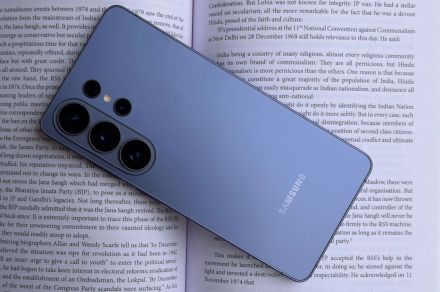
Samsung Galaxy S27 Ultra: Rethinking the Camera Array for Superior Low-Light Performance
The rumor mill surrounding the upcoming Samsung Galaxy S27 Ultra has been dominated by talk of hardware consolidation. Recent leaks suggest a significant shift in strategy, with Samsung reportedly streamlining the rear camera array by removing the dedicated 3x telephoto lens and the laser autofocus module. While these omissions might initially seem like a step backward for a flagship device, emerging details suggest that Samsung is pivoting toward a “quality over quantity” approach, focusing heavily on the capabilities of the primary sensor.
A Streamlined Setup: What’s Changing?
Industry insiders, including the well-regarded leaker Ice Universe, have indicated that the S27 Ultra will move to a three-camera configuration. By eliminating the secondary 3x zoom lens and the laser autofocus system, Samsung appears to be betting that advancements in sensor technology and computational photography can compensate for the loss of specialized hardware.
This shift mirrors a broader industry trend where manufacturers are moving away from “spec-sheet stuffing”-the practice of adding numerous lenses of varying quality-in favor of high-performance sensors that can handle multiple focal lengths through high-resolution cropping and advanced image processing.
The Primary Sensor: A Leap Forward in Night Photography
Despite the reduction in the total number of lenses, the outlook for the S27 Ultra’s imaging capabilities remains bright. New reports highlight that the flagship’s main camera is receiving substantial upgrades specifically tailored for low-light environments.
According to recent insights, users can expect:
* Enhanced Luminosity: Improved light sensitivity that allows for brighter, more vibrant images in challenging lighting conditions.
* Superior Detail Retention: Advanced noise reduction algorithms that ensure textures remain crisp even when the ISO is pushed high.
* Video Fidelity: Significant strides in video processing, likely resulting in smoother, clearer footage during evening or indoor recording.
Why the Upgrade Matters
This isn’t the first time the S27 Ultra’s main sensor has been touted as a game-changer. Earlier reports from September suggested that the device would excel at managing high-contrast scenes. Specifically, the camera is expected to handle small, bright light sources-such as street lamps or neon signs-without the “blooming” or overexposure issues that often plague current smartphone sensors. By maintaining the integrity of these light sources, the S27 Ultra aims to produce cleaner, more professional-looking night shots that rival dedicated mirrorless cameras.
As mobile photography continues to evolve, the ability to capture high-quality images in near-darkness has become the new benchmark for flagship devices. If these reports hold true, the S27 Ultra’s reliance on a singular, highly capable primary sensor could prove to be a masterstroke, offering a more refined user experience than a cluttered array of mediocre lenses.