




Beyond the Velvet Rope: Reimagining Buckingham Palace’s Future
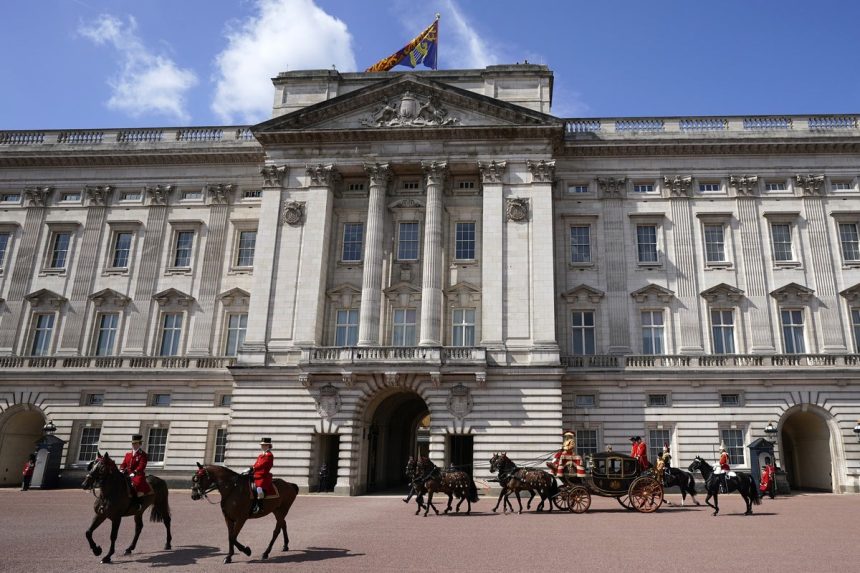
My personal experiences at Buckingham Palace-once wandering the State Rooms during a sun-drenched summer and another time mingling on the manicured lawns for a garden party-left me with a lingering, paradoxical impression. While the sheer architectural audacity of the place is undeniable, with ceilings that seem to scrape the sky and chambers that defy conventional definitions of space, there was always a sense of detachment. It felt less like an invitation and more like a performance of majesty, a grand stage where the velvet rope was a permanent, invisible barrier. It was a reminder that, despite the spectacle, this was, at its core, a private residence.
A Royal Pivot: The Decision to Stay at Clarence House
The recent confirmation that King Charles and Queen Camilla have opted to remain at Clarence House, even after the extensive £369m renovation of Buckingham Palace reaches completion, has sparked significant debate. Rather than questioning their motives, we should be asking a more transformative question: Is the Royal Household prepared to pivot toward a new, more inclusive era for this iconic landmark?
The Access Gap: Learning from Versailles and Windsor
Currently, Buckingham Palace hosts roughly 580,000 visitors during its limited summer window. When contrasted with the Palace of Versailles, which welcomes millions of guests throughout the entire year, the disparity is stark. This isn’t a matter of historical significance or architectural splendor-both sites possess these in spades. The defining factor is accessibility.
While officials suggest that the post-renovation era will usher in greater public engagement, true transformation requires more than just opening a few extra doors. Of the 775 rooms within the palace, only 19 State Rooms-such as the Throne Room and the Blue Drawing Room-are typically accessible to the public. This curated experience has long kept the vast majority of the palace’s history under lock and key.
Unlocking the Vaults: A Vision for Modern Engagement
To truly modernize, the Royal Collection Trust must embrace a bolder strategy. Imagine the potential of opening the late Queen’s private quarters to the public, or allowing visitors to step onto the iconic balcony that has hosted generations of royal history. Beyond the main halls, there is a treasure trove of over one million items in the Royal Collection-including rare artifacts like the terracotta bust of a young Henry VIII-that remain largely hidden from view. Integrating these pieces into a more expansive tour would turn a static visit into a dynamic historical journey.
While James Chalmers, Keeper of the Privy Purse, maintains that the palace will continue to serve as the “ceremonial and operational centre of royal life,” the success of Windsor Castle proves that functionality and public access are not mutually exclusive. In 2025, Windsor Castle drew over 1.2 million visitors-more than double the summer footfall of Buckingham Palace. This success is a direct result of a year-round, open-door policy that invites the public into the narrative of the building.
A New Chapter for a Historic Address
The King’s decision to reside elsewhere presents a unique opportunity to redefine Buckingham Palace. This isn’t about diminishing the monarchy; it is about evolving it. By transitioning from a distant, untouchable monument to a more accessible cultural institution, the palace could foster a deeper connection with the public.
The lights may remain on at Buckingham Palace, but with the royal family residing elsewhere, the building is poised for a new identity. I look forward to a future where that sense of being held at arm’s length is replaced by a genuine feeling of inclusion, transforming the most famous address in the UK into a space that feels, if only for an afternoon,