





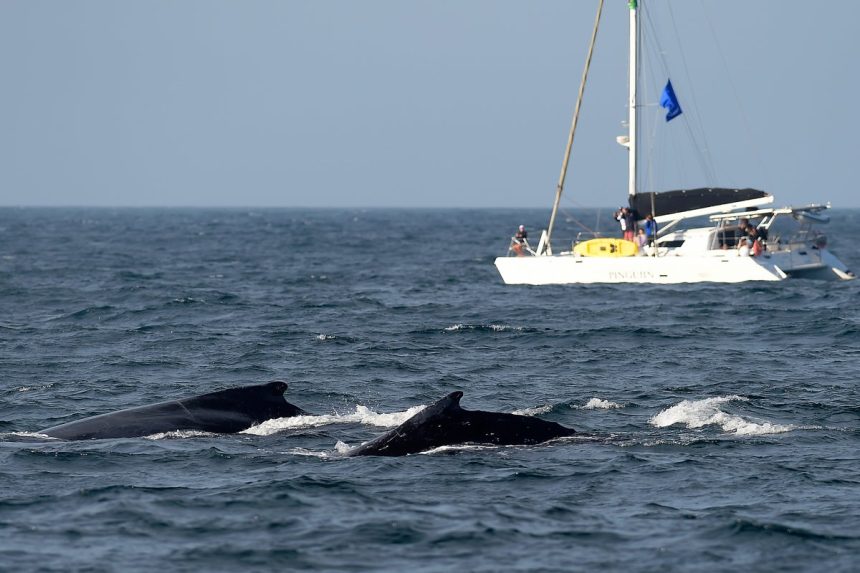

The Great Return: Humpback Whales Reclaim the Waters of Rio de Janeiro
The coastal waters surrounding Rio de Janeiro are witnessing a spectacular biological revival. Once pushed to the brink of extinction by the brutal era of commercial whaling, humpback whales are making a triumphant return to these urban shores. This surge in sightings is not merely a local curiosity; it is a testament to the resilience of marine life and a significant milestone for global conservation efforts.
From Near-Extinction to Population Boom
The narrative of the humpback whale is one of the most successful conservation stories of the modern era. Enrico Marcovaldi, a co-founder of the Humpback Whale Project, notes that the population has undergone a staggering transformation. Four decades ago, the global count was estimated at a precarious 2,000 individuals. Today, that number has climbed to approximately 35,000, bringing the species remarkably close to its pre-whaling population levels.
This recovery is largely attributed to the 1982 moratorium established by the International Whaling Commission. By enforcing a global pause on commercial hunting starting in the 1985/1986 season, the international community provided these giants the breathing room necessary to rebound. Seeing these creatures now frequenting the iconic Guanabara Bay is, as Marcovaldi puts it, a clear indicator that the species is not just surviving, but thriving.
A New Frontier for Eco-Tourism
The increased visibility of these marine mammals has naturally paved the way for a burgeoning whale-watching industry. Entrepreneurs are capitalizing on this natural phenomenon by offering intimate, educational experiences.
Louise Raulais, co-manager of the Rio Ocean Club, has introduced specialized sailboat excursions designed for small groups of five to ten guests. Unlike mass-market tourism, these trips prioritize a deep connection with nature. Each voyage is led by a professional biologist, ensuring that passengers leave with a profound understanding of marine ecology. Raulais believes that these close-range encounters serve a higher purpose: “These animals are so iconic and charismatic that they have the power to transform people, to change the way they see the world.” By fostering a personal connection, these tours aim to inspire a lifelong commitment to ocean conservation.
The Annual Migration: A Journey of Thousands of Miles
Humpback whales are master navigators, following ancient, inherited migratory paths. Their lives are defined by a seasonal rhythm: they spend the warmer months gorging on krill and small fish in the nutrient-rich waters of the Southern Ocean, only to migrate toward tropical climates for the winter breeding and calving season.
Between June and November, the Brazilian coastline becomes a vital corridor for this migration. Thousands of whales traverse roughly 2,500 miles (4,000 kilometers) to reach their preferred breeding grounds. While the Abrolhos Bank-a biodiverse coral reef system spanning the coasts of Bahia and Espirito Santo-remains their primary sanctuary, their expanding range now includes the waters off Rio.
Scientific Exploration: Mapping the Future
To better understand this shift in habitat, the Humpback Whale Project recently conducted a dedicated scientific expedition from June 26 to July 9. The mission was designed to gather critical data on the health, size, and behavioral patterns of the whales appearing in these new territories.
Researchers are particularly interested in whether these sightings represent a permanent expansion of the whales’ range. Biologist Pedro Fróes, who participated in the study, suggests that the whales are actively scouting the area. “They’re exploring this area,” Fróes explained. “They want to find out whether, in the future, it could become a place for them to rest, to mate, or to give birth to a calf.”



As these marine giants continue to reclaim their ancestral waters, the intersection of scientific research and responsible tourism will be essential in ensuring that their return to Rio de Janeiro remains a permanent success story.