





Empowering Younger Users: OpenAI’s Strategy for Safer AI Integration
OpenAI is fundamentally reshaping how adolescents interact with artificial intelligence, moving past basic content blocking to create a comprehensive safety ecosystem. Rather than barring younger generations from a technology that will inevitably define their professional and academic futures, the company is prioritizing a “safety-first” integration model.
Why AI Literacy is Essential for the Next Generation
The reality of the digital landscape is that AI is no longer optional. Recent data indicates that approximately 90% of teenagers currently leverage ChatGPT on a weekly basis to assist with academic research, project management, and skill development. OpenAI contends that a total ban on these tools would be counterproductive, leaving students ill-equipped for a workforce that increasingly demands AI fluency. By providing a controlled environment, the company aims to foster responsible usage rather than avoidance.
Advanced Safeguards and Age-Adaptive Features
To ensure a secure experience, OpenAI has implemented a sophisticated age-prediction mechanism. When the platform detects a user is under 18-or if the system cannot definitively verify an adult age-it automatically triggers a restricted, teen-focused interface.
This protective layer is designed to filter out high-risk material, including:
* Graphic or Violent Content: Preventing exposure to disturbing imagery or narratives.
* Self-Harm and Mental Health Risks: Implementing guardrails to detect and mitigate prompts related to self-injury.
* Body Image Pressures: Restricting content that promotes unrealistic beauty standards or disordered eating.
* Dangerous Trends: Blocking information regarding viral challenges that could lead to physical harm.
New Parental Oversight and Digital Wellness Tools
Beyond content filtering, OpenAI is introducing features designed to promote healthier digital habits and provide parents with greater visibility. The updated suite of controls includes:
* Quiet Hours: Customizable windows where the AI becomes inaccessible, helping teens maintain a healthy sleep schedule or focus on offline activities.
* Study Mode Defaults: Settings that prioritize educational assistance and minimize distractions during designated homework hours.
* Proactive Violation Alerts: A notification system that informs parents or guardians if a teen’s account is flagged for severe policy breaches.
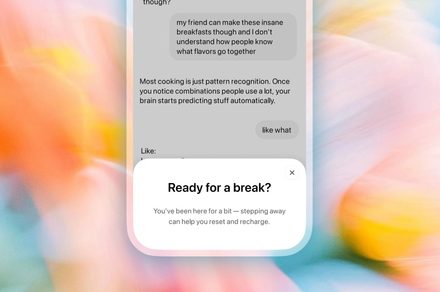
* Session Management: To combat the “infinite scroll” effect, the platform now issues frequent, automated reminders encouraging users to step away from the screen and take physical breaks.
By balancing accessibility with these robust guardrails, OpenAI is attempting to bridge the gap between technological innovation and the developmental needs of younger users.