



![[EVENT REVIEW] RÜFÜS DU SOL’s Spectacle at San Diego’s Petco Park](https://www.mixtv1.com/wp-content/uploads/2026/08/24644-attachment.jpg)

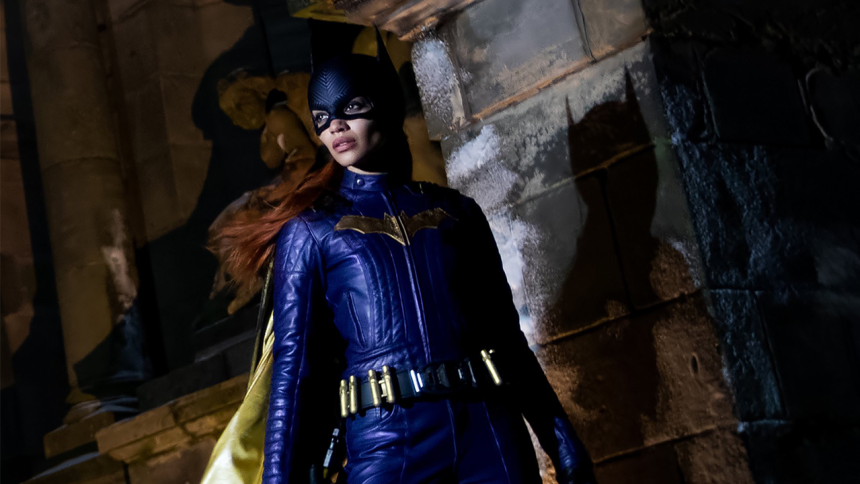
The Lost Gotham Project: Why Batgirl Remains Locked in the Vault
The cancellation of the Batgirl movie remains one of the most controversial maneuvers in modern Hollywood history. For J.K. Simmons, who was set to reprise his role as Commissioner Gordon, the decision to shelve a fully completed film remains a baffling chapter in his career.
A Role That Never Found Its Footing
Simmons’ journey as Commissioner Gordon was intended to be a long-term commitment. Initially brought into the DC Extended Universe by Zack Snyder for Justice League, Simmons was slated to be a cornerstone of the Gotham City landscape. When Ben Affleck’s standalone Batman project was shelved, Simmons’ future in the franchise seemed uncertain until Batgirl emerged.
The project was positioned as a fresh origin story, featuring Michael Keaton’s return as the Dark Knight. For Simmons, the prospect of working on a grounded, character-driven superhero film was genuinely exciting. However, the production was ultimately sacrificed as a tax write-off by Warner Bros. Discovery, a move that effectively rendered the film a “ghost” project-one that even the cast members have never seen.
Behind the Scenes: Disappointment vs. Indifference
While Simmons has expressed genuine frustration regarding the film’s fate, noting that the production process was a positive experience, other key players have taken a more pragmatic approach.
Michael Keaton, who played a pivotal role in the film, offered a candid perspective during a 2024 interview with GQ. Rather than mourning the loss of the art, Keaton focused on the business reality: he was paid for his work, and he held no personal stake in the film’s release. While he expressed sympathy for the directing duo, Adil El Arbi and Bilall Fallah, his stance highlighted the stark divide between the creative investment of the actors and the cold financial calculations of the studio.
The “Not Releasable” Narrative
Warner Bros. Discovery’s decision to bury Batgirl was framed by leadership as a protective measure for the brand. Peter Safran, the current head of DC Studios, has defended the choice, labeling the film “not releasable.” According to Safran, the decision was a “bold and courageous” move intended to prevent long-term damage to the DC brand and the reputations of those involved.
However, this justification remains a point of contention among fans and industry analysts. In an era where streaming platforms are hungry for content, the idea that a major studio production could be so fundamentally broken that it cannot be released is rare. Critics often point to the fact that the history of cinema is littered with “disastrous” superhero films that were released anyway, suggesting that Batgirl was likely a victim of corporate restructuring rather than a lack of quality.
Will the Vault Ever Open?
The likelihood of *Bat
Why the Batgirl Film Remains Shelved in the New DC Era
The cancellation of the Batgirl movie remains one of the most controversial decisions in recent Hollywood history. While fans often draw parallels to the “Snyder Cut” movement-which successfully campaigned for the release of Zack Snyder’s vision for Justice League-the circumstances surrounding Batgirl are fundamentally different.
The Myth of a “Snyder Cut” Parallel
Many enthusiasts hoped that public outcry would force Warner Bros. to reverse its decision to shelve the completed film. However, the situation with Zack Snyder’s Justice League was unique. Snyder had already filmed the vast majority of his project and maintained access to his raw footage, allowing for a path toward completion. In contrast, Batgirl was effectively treated as a tax write-off, and the studio’s strategic pivot away from the previous iteration of the DC Extended Universe (DCEU) made a release logistically and creatively unappealing to the new leadership.


Strategic Shifts and the DC Reboot
The primary obstacle for Batgirl is the comprehensive restructuring of the DC Universe under James Gunn and Peter Safran. The current regime is focused on building a cohesive, interconnected narrative that avoids the fragmented storytelling of the past.
Integrating a film that was originally designed for a different creative roadmap would likely confuse general audiences. By leaving Batgirl in the vault, the studio avoids the “baggage” of previous continuity errors. This is a common practice in major franchise management; for instance, when Disney acquired Star Wars, they relegated the “Expanded Universe” novels to Legends status to ensure a clean slate for their new trilogy. Similarly, DC is prioritizing a streamlined brand identity over the preservation of legacy projects that no longer fit the master plan.
The Reality of Modern Studio Economics
Beyond creative direction, the financial landscape of the film industry has shifted significantly. According to recent industry reports, major studios are increasingly prioritizing profitability and tax efficiency over “completion at all costs.” The decision to scrap Batgirl-a film with a reported budget of roughly $90 million-was a calculated move to offset losses during a period of corporate consolidation.
While the loss of the film is a disappointment to the cast and crew, it serves as a stark reminder that in the current era of media conglomerates, a project’s completion does not guarantee its release. For now, the Batgirl project remains a casualty of a studio looking to minimize risk and maximize the clarity of its future cinematic universe.