





Optimizing Body Composition: Why Fat Loss Requires More Than Just a Calorie Deficit
Most individuals embarking on a weight loss journey are actually aiming for fat loss rather than simple weight reduction. The common pitfall is relying solely on a calorie deficit, which often triggers the body to break down both adipose tissue and metabolically active muscle mass. To ensure your weight loss efforts result in a leaner, more toned physique, you must prioritize strategies that protect your muscle tissue, such as consistent resistance training, restorative sleep hygiene, and a high-protein nutritional approach.
The Strategic Role of Protein in Metabolic Health
Protein is the cornerstone of effective body recomposition. It functions as a triple-threat agent by regulating satiety, boosting your metabolic rate, and acting as a structural safeguard for your muscles.
When you engage in heavy resistance training, you send a biological signal to your body that your muscle mass is essential for performance, prompting it to prioritize muscle retention. However, this signal is only effective if your body has the necessary building blocks. A high-protein diet provides a steady stream of amino acids, which are the fundamental components of muscle tissue. By maintaining adequate protein intake, you effectively prevent your body from catabolizing its own muscle stores to meet its energy demands during a caloric deficit.
Leveraging Supplementation for Sustainable Results
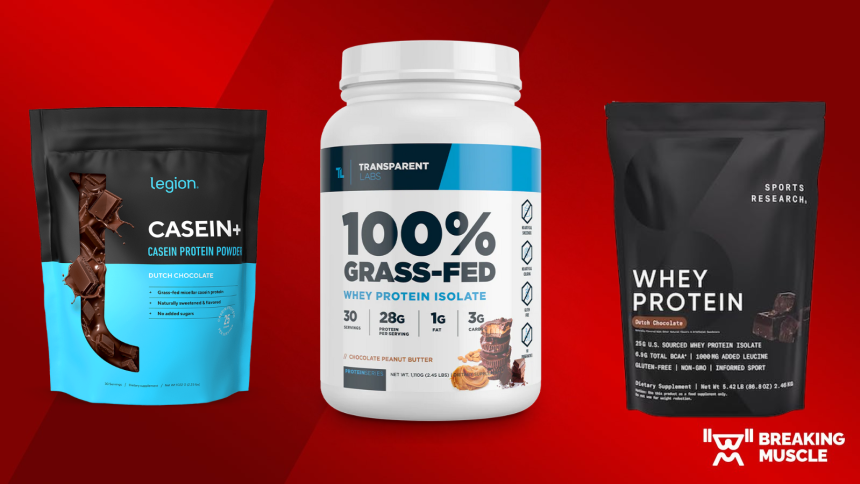
While whole food sources are excellent, the best protein powders offer a highly efficient, low-calorie solution to help you reach your daily intake targets without exceeding your energy budget.
Recent industry data suggests that protein supplementation can improve adherence to weight loss programs by reducing cravings and stabilizing blood sugar levels. In our latest evaluation, we rigorously tested over 100 different protein supplements, analyzing their ingredient profiles, mixability, and amino acid content. From this extensive research, we have curated a list of nine top-tier products specifically suited for those looking to shed fat while preserving lean mass.
Key Pillars for Muscle Preservation During a Cut
- Resistance Training: Aim for at least 3-4 sessions per week to provide the mechanical tension required to signal muscle maintenance.
- Protein Distribution: Research indicates that spreading your protein intake across 3-5 meals per day is more effective for muscle protein synthesis than consuming it in one large sitting.
- Sleep Quality: Chronic sleep deprivation can elevate cortisol levels, which may promote muscle breakdown and increase fat storage. Aim for 7-9 hours of quality rest to support recovery.
This content is meant to be informative, but should not be taken as medical advice.