



The Creative Vision vs. The Focus Group: George Lucas on the Future of Filmmaking
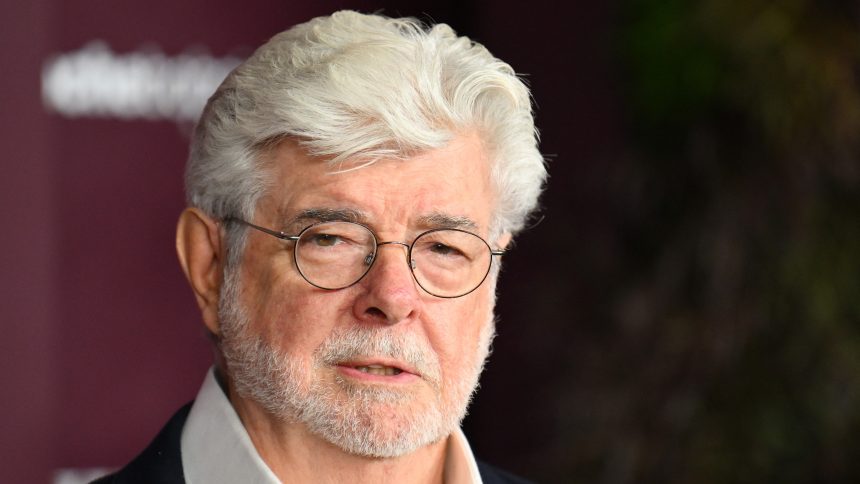
George Lucas, the visionary architect behind the Star Wars universe, has long held a contentious view regarding the modern studio system. In a recent, candid conversation with A Rabbit’s Foot, the 82-year-old filmmaker argued that the current reliance on focus groups is fundamentally damaging to the art of cinema. According to Lucas, the industry has lost its way by prioritizing audience feedback over the singular, passionate vision of a director.
Why Studios Are Misinterpreting Audience Feedback
Lucas, who famously divested his interest in Lucasfilm to Disney in 2012 for $4 billion, believes that studios are misreading the purpose of audience testing. While he acknowledges that gauging viewer reactions to characters can be a useful diagnostic tool, he warns against the current trend of letting those reactions dictate the narrative.
“The audience doesn’t know what they want to see,” Lucas asserted. “If they dislike a character, that’s a data point for a filmmaker to investigate, not a mandate to change the story. Studios today are obsessed with fan sentiment, but that isn’t how you craft a compelling film. You make a movie by finding a storyteller with a genuine, burning passion for their project.”
The “Jar Jar” Precedent and the Myth of the Adult Film
Lucas is no stranger to fan backlash. His introduction of Jar Jar Binks in the Star Wars prequels remains one of the most cited examples of audience friction in blockbuster history. However, Lucas remains steadfast in his defense, framing the criticism as a misunderstanding of the franchise’s core demographic.
He points out that the vocal critics of the prequels were often the same generation that grew up with the original trilogy. “They were 10 when they saw the first one and 13 by the second,” he explained. “They suddenly decided they didn’t want a children’s film anymore.”
Lucas draws a direct parallel to the history of the franchise:
* C-3PO: Initially met with significant resistance from fans who wanted him removed.
* Ewoks: Dismissed as “teddy bears” by audiences who demanded a more “adult” tone in Return of the Jedi.
By Lucas’s estimation, the push for “maturity” in Star Wars is a recurring cycle that ignores the whimsical, mythic nature of the series
A New Chapter for George Lucas and the Future of Star Wars
The legendary creator of the Star Wars universe, George Lucas, is currently channeling his creative energy into a monumental project: the Lucas Museum of Narrative Art in Los Angeles. This institution serves as the culmination of a six-decade-long endeavor to curate and preserve a vast collection of visual storytelling artifacts. While the museum promises to be a cultural landmark, fans of the galaxy far, far away are equally focused on the cinematic horizon.
The Cinematic Roadmap: What’s Next for Star Wars?
As the franchise continues to evolve, the release schedule remains a subject of intense speculation. Currently, the only project with a solidified premiere date is Star Wars: Starfighter. This highly anticipated feature, which is set to headline Ryan Gosling in a leading role, is officially slated to hit theaters on May 28, 2027.
This release is particularly significant as the industry shifts toward more focused, high-profile storytelling. Much like the transition from the original trilogy to the prequels, Starfighter represents a pivot in how Lucasfilm approaches its theatrical slate, prioritizing singular, star-driven narratives over the rapid-fire release cycles seen in previous years.
Industry Context and Legacy
The focus on the Lucas Museum highlights a broader trend of legendary filmmakers prioritizing the preservation of their creative legacies. By housing decades of concept art, props, and historical narrative materials, Lucas is ensuring that the “narrative art” that defined his career remains accessible to future generations.
For context, the global film industry has seen a marked increase in museum-grade preservation efforts, with institutions like the Academy Museum of Motion Pictures also seeing record attendance. This reflects a growing public appetite for understanding the “how” behind the “wow” of blockbuster filmmaking. As we look toward 2027, the combination of the museum’s opening and the arrival of Starfighter suggests that the influence of George Lucas remains as potent as ever, bridging the gap between historical appreciation and the future of the Star Wars