





Image: Midjourney
The Escalating Threat of Synthetic Media
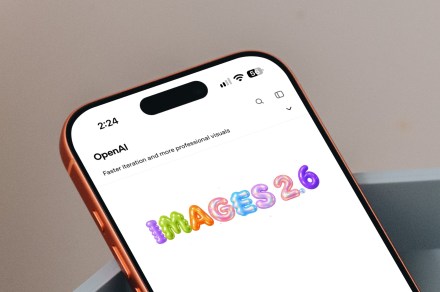
The line between reality and digital fabrication is blurring at an alarming rate. As generative AI models become more accessible and powerful, the ability to distinguish between authentic photography and machine-generated imagery has plummeted. Recent analysis from PCWorld underscores a sobering reality: AI-crafted visuals are no longer just a novelty; they are sophisticated tools increasingly weaponized for financial fraud and high-stakes social engineering.
Beyond the Image: A Landscape of Digital Vulnerabilities
The danger extends far beyond deceptive photos. Our digital ecosystem is currently riddled with hardware and software weaknesses that bad actors are eager to exploit. Consider these recent security flashpoints:
- Smart Home Privacy: Security researchers recently uncovered alarming flaws in Shark robot vacuums, which could allow unauthorized parties to access live video feeds, effectively turning a household cleaning tool into a surveillance device.
- Communication Platforms: The Zoom desktop application has faced scrutiny over critical vulnerabilities that could potentially compromise user data and meeting integrity.
- Browser-Level Protection: In a proactive move, Microsoft Edge has introduced a native scareware blocker, designed to shield users from deceptive pop-ups that trick individuals into downloading malicious software under the guise of “system alerts.”
Why Detection Tools Are Falling Behind
Many users rely on the assumption that they can “train their eyes” to spot a deepfake or that automated detection software will act as a safety net. Unfortunately, the data suggests otherwise. Current detection algorithms are struggling to keep pace with the rapid evolution of generative models. According to recent industry reports, even the most advanced detection tools frequently return false negatives, failing to flag hyper-realistic AI content.
Think of it like the evolution of counterfeit currency: as soon as security features are updated to catch one type of forgery, the counterfeiters develop new methods to bypass those specific safeguards. Relying solely on technology to verify the authenticity of a photo is a losing battle.
Maintaining Vigilance in an AI-Driven World
The burden of security has shifted toward the individual. Because automated systems are not yet foolproof, maintaining a healthy level of skepticism is your best defense. Whether you are reviewing a suspicious email, a social media profile, or a video call, always verify the source through secondary channels before trusting the content.
Can you truly tell the difference between a genuine photograph and a synthetic creation? If you are confident in your ability to spot fakes, you might want to reconsider-the technology is evolving faster than our human intuition.