




Expanding AI Transparency: Anthropic’s Watermarking Initiative
In response to mounting pressure from European Union regulators, Anthropic is significantly broadening its commitment to AI transparency. The company is implementing a sophisticated, invisible watermarking system across its suite of large language models, a move designed to help users and platforms differentiate between content crafted by humans and text generated by artificial intelligence.
A Broader Scope for AI Identification
While the initial deployment of this technology was limited to the most advanced iterations of the Claude ecosystem, the scope is widening. As first reported in early August, the initiative aims to establish a standard for digital provenance.
Building on this foundation, Anthropic recently confirmed that starting November 3, the watermarking protocol will extend to several legacy and mid-tier models, including Claude Mythos 5, Claude Opus 4.7, Claude Opus 4.6, and Claude Sonnet 4.6.
How the Invisible Signature Works
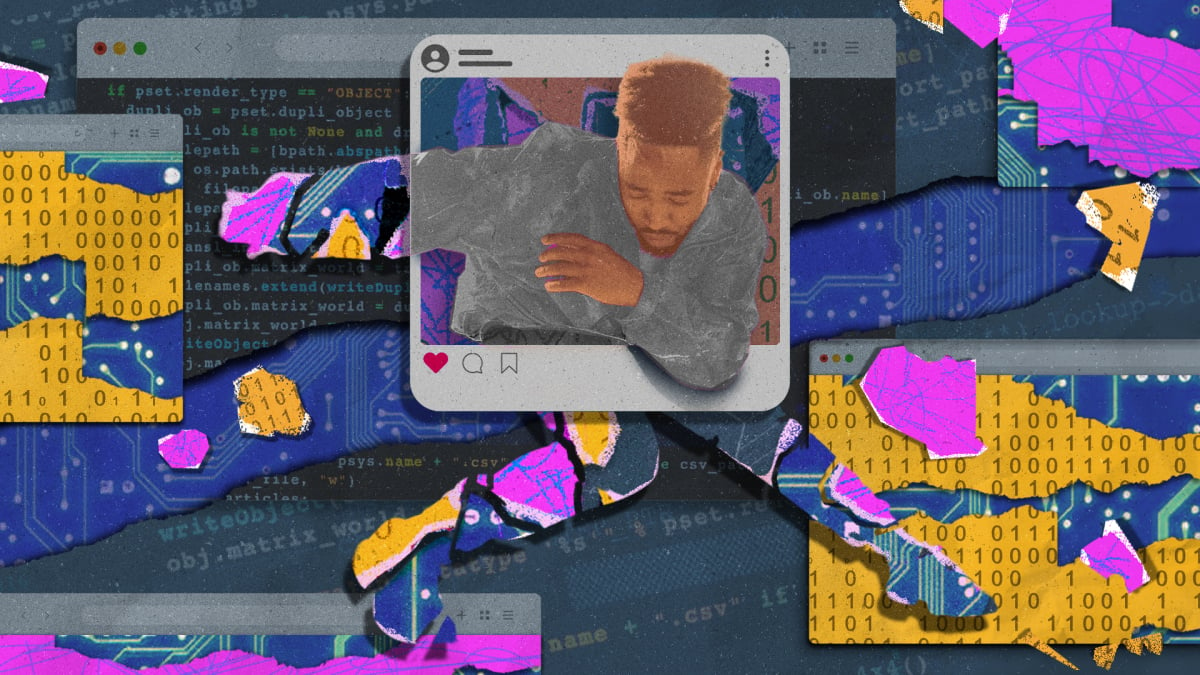
The technology behind this rollout mirrors the mechanism currently active in Claude Opus 5.5. Rather than altering the visual appearance of the text or embedding metadata that could be easily stripped, the system utilizes a subtle, statistical fingerprint. By embedding an imperceptible pattern within the model’s word selection process, Anthropic ensures that the output remains indistinguishable from standard text to the human eye.
This approach is critical for maintaining the utility of AI tools. Because the watermark is woven into the linguistic structure rather than appended as a tag, it does not compromise the accuracy, tone, or readability of the generated content. As AI-generated content continues to proliferate-with recent industry data suggesting that over 30% of online text could be AI-assisted by 2026-these invisible markers serve as a vital safeguard for maintaining digital integrity and trust.