




Navigating In-Flight Hydration: Optimal Beverage Choices for Air Travel
Air travel presents a unique environment that can quickly dehydrate the body. With cabin humidity levels often dropping below 20%-drier than most deserts-your physiological needs change the moment you step onto the aircraft. Making informed decisions about your beverage intake is essential to arriving at your destination feeling refreshed rather than sluggish or bloated.
The Science of Cabin Dehydration
The pressurized environment of an airplane cabin accelerates fluid loss through respiration and skin evaporation. According to the Aerospace Medical Association, passengers can lose up to 1.5 liters of water during a long-haul flight if they do not actively replenish their fluids. To combat this, your primary goal should be maintaining electrolyte balance and avoiding substances that exacerbate fluid loss.
Beverages to Prioritize
To maintain peak physical comfort, focus on drinks that support hydration without taxing your system:
* Pure Water: This remains the gold standard. Aim for at least eight ounces of water for every hour spent in the air.
* Coconut Water: If you are on a flight longer than four hours, coconut water provides essential potassium and electrolytes, which help your body retain hydration more effectively than plain water alone.
* Herbal Teas: Peppermint or ginger teas are excellent choices. They not only provide hydration but also assist in soothing the digestive system, which often slows down due to the sedentary nature of flying.
Drinks to Avoid at 30,000 Feet
Certain beverages can counteract your hydration efforts, leading to increased fatigue and discomfort:
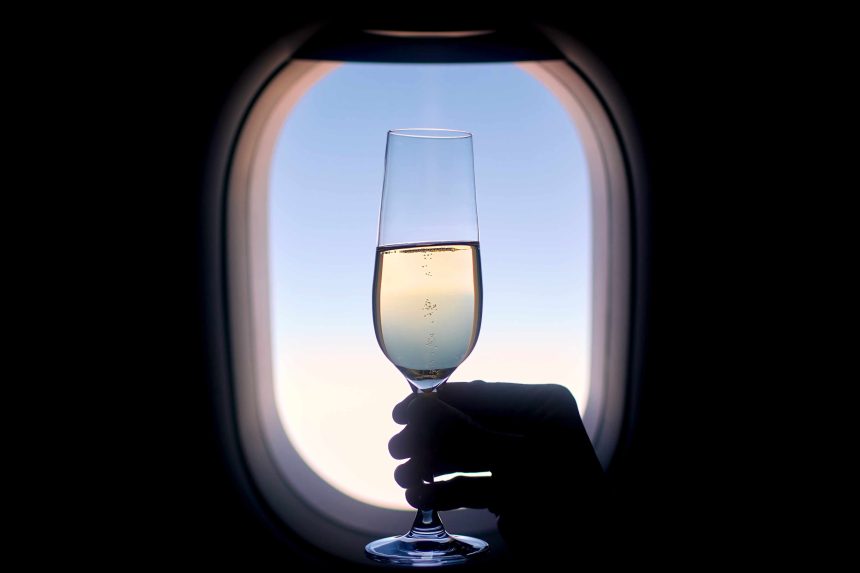
* Alcoholic Beverages: Alcohol is a diuretic, meaning it forces your kidneys to release more water than you are consuming. Furthermore, the lower oxygen levels at high altitudes can intensify the effects of alcohol, leading to quicker intoxication and more severe headaches.
* Caffeinated Sodas and Coffee: While a cup of coffee might seem necessary for a red-eye flight, caffeine can increase your heart rate and contribute to restlessness. Like alcohol, it has a mild diuretic effect that can leave you feeling parched.
* Sugary Juices: High-sugar drinks can cause a rapid spike and subsequent crash in blood glucose levels. This fluctuation often results in lethargy and can trigger cravings for salty snacks, which further dehydrate the body.
Strategic Tips for Frequent Flyers
Instead of relying on the beverage cart, consider bringing an empty, reusable water bottle through security and filling it at a terminal station before boarding. This ensures you have a consistent supply of water regardless of the flight crew’s service schedule. Additionally, try to limit your intake of salty in-flight snacks, as the high sodium content combined with cabin air will inevitably lead to bloating and fluid retention.
By being mindful of what you consume, you can mitigate the common physical stressors of air travel and ensure you land feeling your best.