


![[EVENT REVIEW] RÜFÜS DU SOL’s Spectacle at San Diego’s Petco Park](https://www.mixtv1.com/wp-content/uploads/2026/08/24644-attachment.jpg)

### The Rapid Rise and Fall of Google Earth’s AI Imaging Tool
Google’s latest foray into generative AI hit a significant roadblock this week. Just 24 hours after debuting a feature designed to create AI-generated imagery within Google Earth, the tech giant was forced to disable the tool entirely. The decision followed an immediate outcry from the digital research community, who demonstrated how easily the technology could be weaponized to manufacture deceptive visual evidence.
#### A Short-Lived Experiment
On July 30, Google unveiled a new capability for the web-based version of Google Earth. Powered by the “Nano Banana” AI model, the feature allowed users to input text prompts to generate custom satellite-style imagery for any location on the globe. By July 31, the feature had been scrubbed from the platform.
The swift reversal highlights the growing tension between rapid AI deployment and the potential for widespread digital manipulation. While Google intended for the tool to assist geospatial professionals in visualizing hypothetical scenarios, the public quickly identified its darker potential.
#### The Risks of Fabricated Reality
Open-source intelligence (OSINT) investigators and journalists were quick to stress-test the tool, revealing alarming vulnerabilities. Within hours of the launch, social media was flooded with hyper-realistic, AI-generated scenes that never occurred, including:
* Simulated blast craters in the heart of Los Angeles.
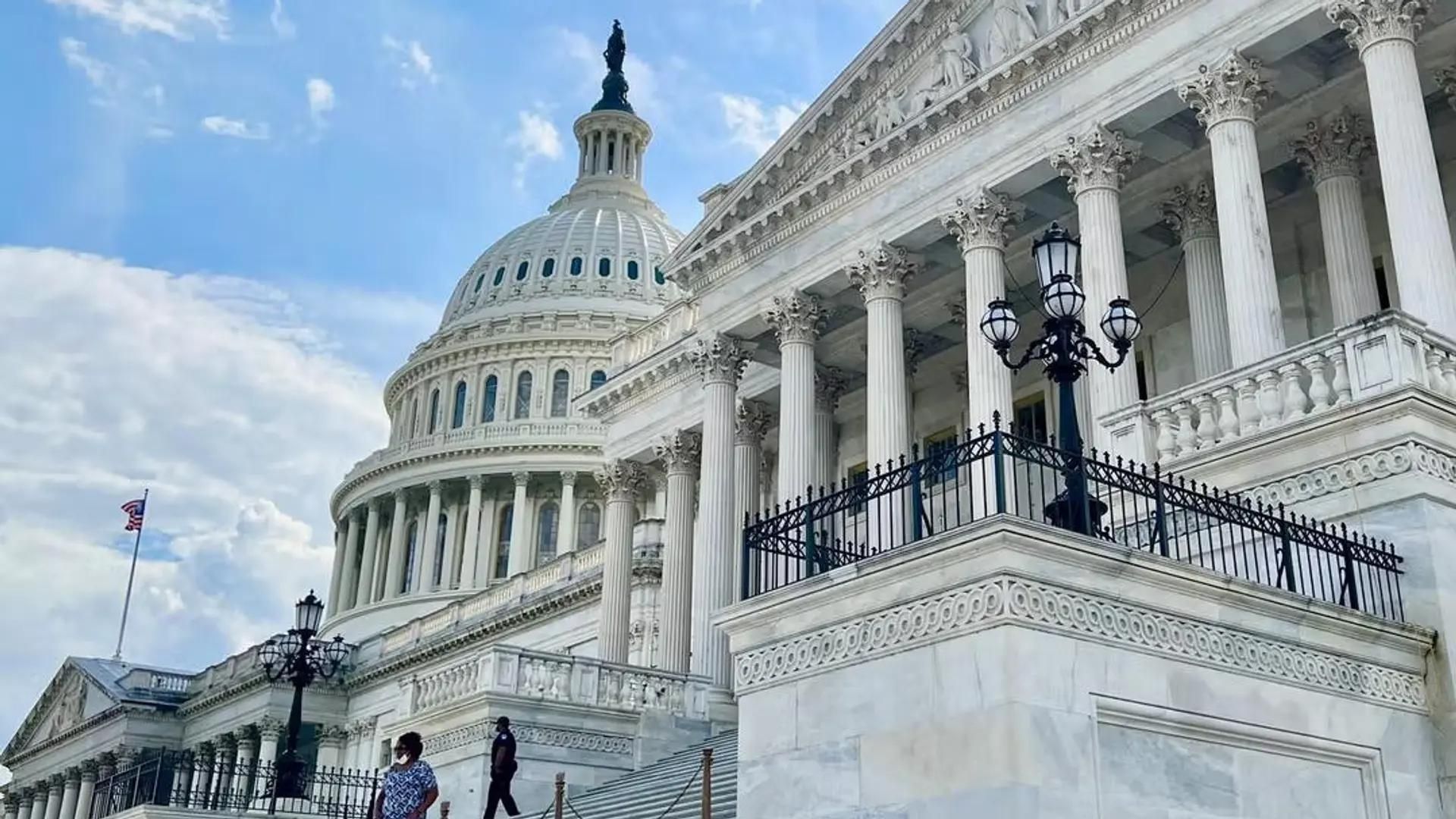
* Depictions of the U.S. Capitol submerged in floodwaters.
* Fictionalized imagery showing fires breaking out at Iran’s Kharg Island.
These examples underscore a critical concern: as AI models become more sophisticated, the line between authentic satellite photography and synthetic fabrication blurs. In an era where “seeing is believing,” the ability to generate high-fidelity fake imagery poses a severe threat to the integrity of news reporting and public discourse.
#### Google’s Response and the Future of Guardrails
In an official statement posted to X, Google acknowledged the unique role its platform plays in providing a “reliable view of the world.” The company noted that while the tool offered utility for specific professional use cases, it was being misused in ways that violated safety policies.
Google attempted to mitigate these concerns by noting that all generated images were embedded with SynthID-a digital watermark designed to identify AI-created content. However, critics argued that watermarking is insufficient to prevent the spread of misinformation, as users can easily crop or manipulate images to bypass such markers.
Currently, Google has not provided a timeline for the feature’s return. The company maintains that it will only reintroduce the tool once more robust safety guardrails are implemented to prevent the creation of deceptive or harmful content. This incident serves as a stark reminder that even industry leaders are struggling to balance innovation with the ethical responsibilities of managing powerful generative technologies.