



The Evolution of Disney’s Interactive Entertainment Strategy
Disney is signaling a massive shift in its long-term creative roadmap, positioning interactive gaming as a cornerstone of its global entertainment empire. Ahead of the highly anticipated D23 event-where fans are eagerly awaiting updates on titles like Kingdom Hearts-Sean Shoptaw, the head of Disney’s gaming division, emphasized that video games have evolved from a secondary venture into a primary pillar of the company’s storytelling identity.
A Billion-Dollar Gaming Portfolio
The financial data underscores this strategic pivot. Disney currently boasts nine distinct gaming franchises that have each surpassed the $1 billion mark in retail revenue. This success is not merely a result of legacy properties; notably, more than 50% of these high-performing franchises have been established within the last dozen years. This rapid growth highlights the company’s ability to cultivate modern, digital-first intellectual property that resonates with contemporary audiences.
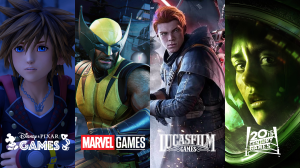
To manage this expansive ecosystem, Disney operates a diverse portfolio of specialized studios, including Marvel Games, Lucasfilm Games, 20th Century Games, and Disney Pixar Games. These entities function under the unified Disney Games umbrella, ensuring a cohesive approach to digital expansion.
Financial Momentum and Future Outlook
The economic impact of this division is substantial. Over the previous four years, Disney Games has consistently generated approximately $3.5 billion in annual consumer spending. This trajectory hit a new peak in the most recent fiscal year, with figures climbing past the $4 billion threshold. According to Shoptaw, these numbers serve as a clear indicator that gaming is no longer an experimental side project but a vital component of how Disney intends to engage its audience moving forward.
Moving Beyond Traditional Tie-ins
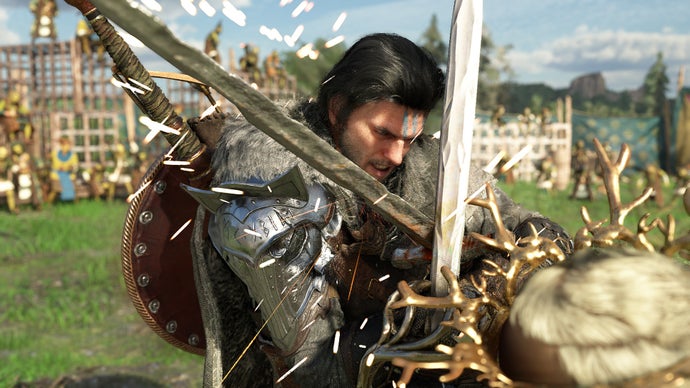
Perhaps the most significant takeaway from Disney’s current philosophy is a departure from the “movie tie-in” model that dominated the industry in the early 2000s. Instead of simply creating digital companions for cinematic releases, the company is prioritizing the development of original, medium-specific narratives. By focusing on stories that are native to the interactive experience-such as the complex lore found in Marvel Strike Force or the expansive worlds of Kingdom Hearts-Disney is aiming to create deeper, more immersive engagement that stands on its own merits rather than relying on a film’s box office performance.
As the lines between passive viewing and active participation continue to blur, Disney’s commitment to high-fidelity, original gaming experiences suggests that the company is preparing for a future where the controller is just as important as the cinema screen.