




The Science Behind Rail Buckling During Heatwaves
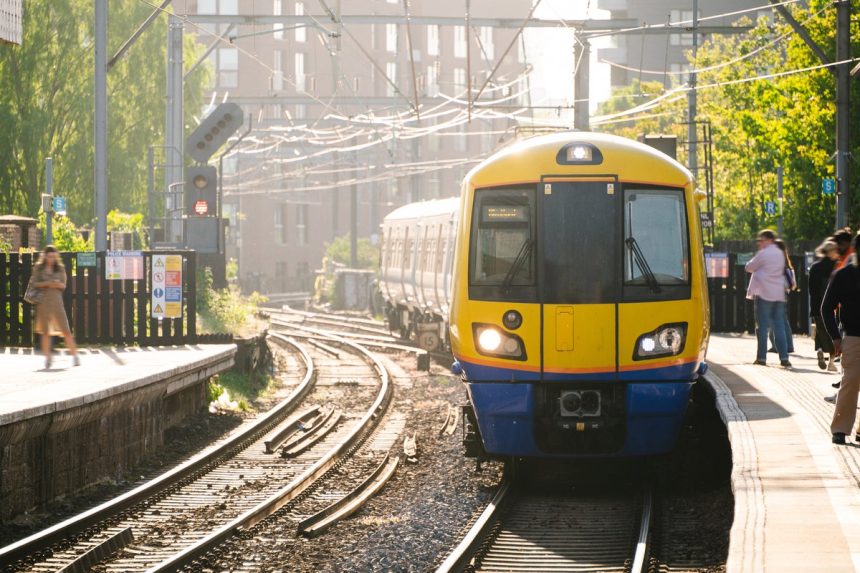
When summer temperatures soar, the UK’s extensive rail infrastructure faces a significant physical challenge. The phenomenon known as “buckling” occurs when steel tracks absorb intense heat, causing the metal to expand and eventually warp out of its intended alignment.
### Why Steel Tracks Are Vulnerable to Heat
The vast network of steel rails across the UK acts as a massive heat sink. According to Network Rail, these tracks often reach temperatures significantly higher than the surrounding air-sometimes up to 20°C hotter. While the system is engineered to withstand standard summer conditions, it faces critical limitations. Most tracks are designed to remain operational until the steel reaches 46°C, which typically corresponds to an ambient air temperature of roughly 30°C. However, in extreme weather events, track sensors have recorded temperatures as high as 51°C.
### The Mechanics of Thermal Expansion
The primary issue is the physical property of steel. As the material absorbs thermal energy, it undergoes expansion, increasing in length. Because rails are tightly secured, this expansion creates immense internal pressure against adjacent sections of track. If the steel has no remaining space to expand, the force must be released, leading to a lateral distortion or “buckle.”
To prevent catastrophic failures, rail operators must implement speed restrictions or halt services entirely when track temperatures hit these critical thresholds. As Network Rail explains, once a buckle occurs, the line must be closed immediately to allow for structural repairs before safe passage can be restored.
### Engineering Challenges in a Warming Climate
John Lawrence, chair of the Institution of Engineering and Technology’s Railway Technical Network, highlights the complexity of the issue. “The combination of ambient heat and direct solar radiation creates extreme conditions at the track level and within sensitive trackside equipment,” Lawrence notes.
Despite decades of technological investment and infrastructure upgrades, the risk remains a primary concern for engineers. The threat of track buckling-and the subsequent risk of derailment-persists during heatwaves. While modern materials and stress-testing have improved resilience, the sheer intensity of record-breaking temperatures continues to test the limits of current railway engineering.