




Redefining Range: The BMW iX3’s Record-Breaking Journey
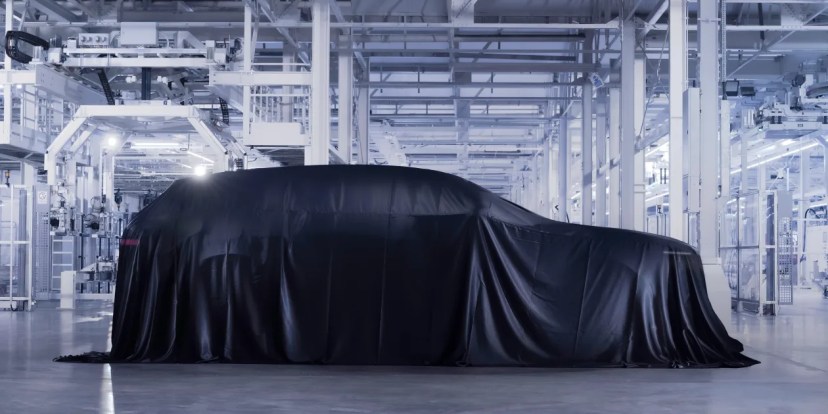
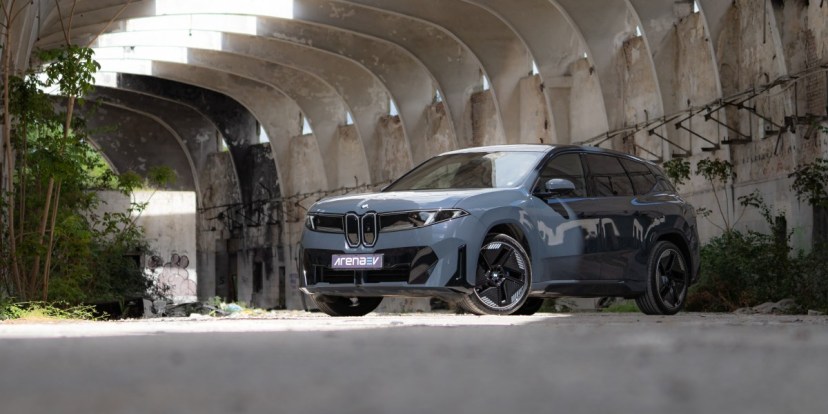
In a striking demonstration of electric vehicle endurance, a BMW test driver recently departed from the Shenyang production facility at daybreak, steering a new BMW iX3 toward Beijing. The mission was simple yet ambitious: push the vehicle’s battery architecture to its absolute limit across the vast Chinese landscape.
Upon arriving at the company’s research and development hub in the capital, the onboard telemetry displayed a staggering 1,030.2 kilometers traveled on a single charge. Remarkably, the battery still held a 5% state of charge upon arrival. This feat marks a significant milestone for the brand, representing the most extensive distance ever covered by an electric BMW in one continuous session. This achievement signals that Munich is moving past the era of retrofitting internal combustion platforms and is now fully committed to dedicated, high-efficiency electric engineering.
The Reality Behind the Record
While this performance is undeniably impressive, it is essential to contextualize these results. Much like a professional cyclist drafting in a race to conserve energy, internal “hyper-miling” tests are conducted under highly controlled, optimal conditions that rarely mirror the chaotic reality of daily commuting.
For the average driver, expecting to achieve four-figure range numbers while blasting the air conditioning, navigating heavy traffic, or maintaining high-speed highway cruising is unrealistic. Modern EVs, including the iX3, are subject to the laws of physics; factors such as aerodynamic drag, ambient temperature, and driving style play a massive role in real-world efficiency. According to recent data from the U.S. Department of Energy, real-world EV range can fluctuate by as much as 20-30% depending on climate control usage and terrain, meaning that while the iX3’s potential is vast, the “1,000 km” benchmark should be viewed as a technical ceiling rather than a standard expectation for the typical consumer.